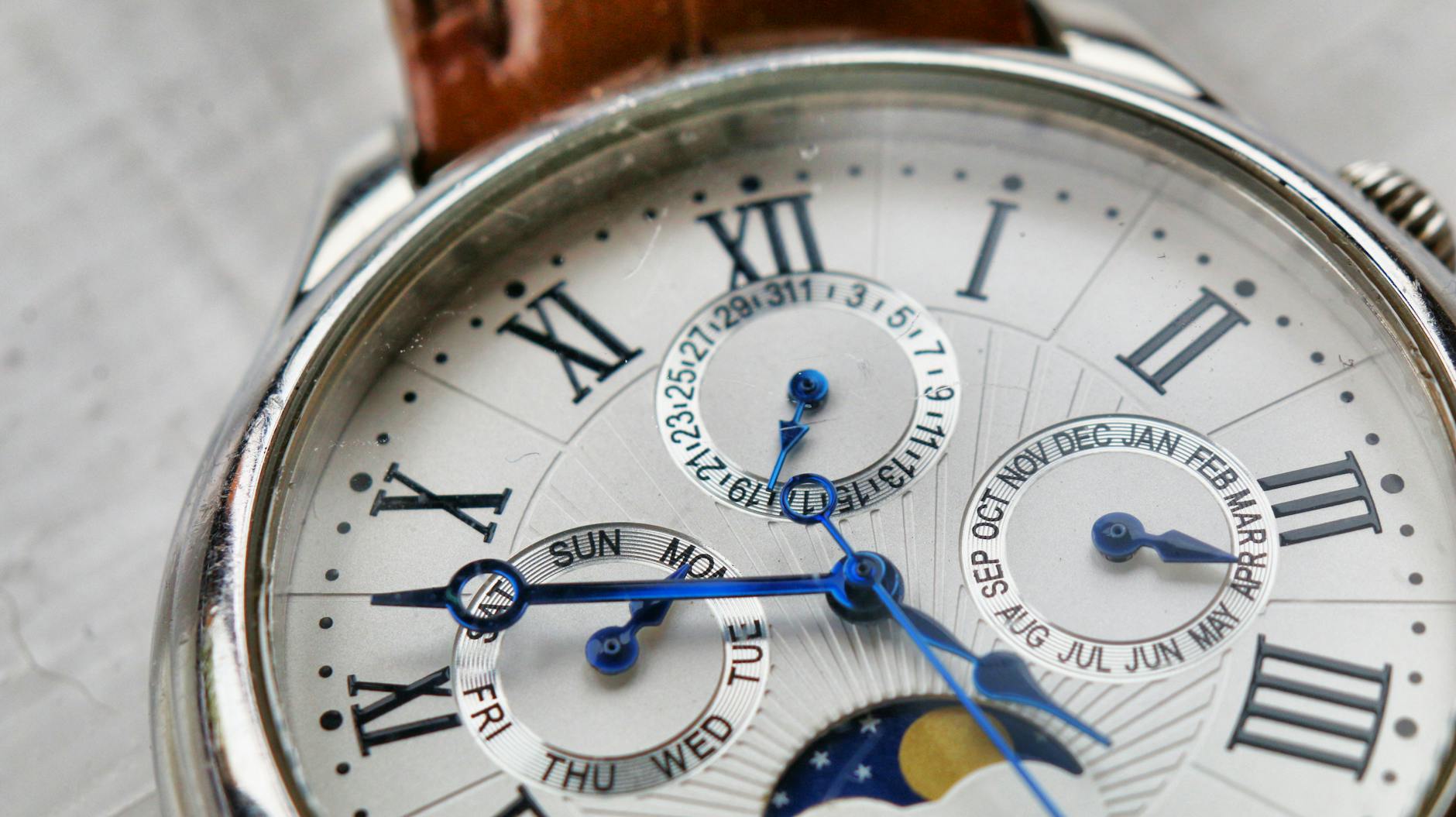
Rolex is one of the most recognizable names in Swiss watchmaking, known for its Oyster case designs, automatic mechanical movements and tightly controlled manufacturing standards. Its watches are expensive, but price and brand recognition alone do not tell you whether a particular model is right for your wrist or your budget.
This Rolex watch review looks at the brand’s history, popular collections, movement certification, materials, U.S. retail prices, buying options, servicing and resale considerations. It also explains where Rolex stands alongside alternatives such as Omega, Tudor and Grand Seiko.
The focus is on practical ownership rather than treating a Rolex as a guaranteed investment. Model specifications and prices can change, and performance should be judged by the exact reference, its condition and how it is maintained.
Written by Abdul Khader, researcher and writer at Top Reviewd. Last updated: November 4, 2026
Rolex History and Watchmaking Heritage
Rolex traces its origins to 1905, when Hans Wilsdorf and Alfred Davis established a watch business in London under the name Wilsdorf & Davis. The Rolex name was registered in 1908. The company moved its base to Geneva in 1919, linking the brand’s identity to Switzerland’s watchmaking industry.
Several milestones helped shape the modern Rolex range:
- 1926: Rolex introduced the Oyster case, designed to protect the movement through a sealed case construction.
- 1931: Rolex developed and patented its Perpetual rotor self-winding system.
- 1945: The Datejust introduced an automatically changing date display in a wristwatch.
- 1953: Rolex introduced the Submariner and Explorer, two collections that became central to its professional-watch identity.
What Makes Rolex Different From Other Watchmakers?
Rolex is known for controlling many stages of watch development and production, including movement design, case and bracelet manufacturing, metal alloys and final testing. Its approach emphasizes consistency, reliability and recognizable designs rather than a wide range of highly complicated movements.
That vertical integration is a meaningful part of the brand’s identity, but it should not be mistaken for proof that every part is made in one building or that every Rolex offers more technical features than every competitor. The best way to evaluate a watch is to compare its movement, construction, finishing, performance standard and service support with alternatives at a similar price.
For the brand’s own historical timeline and manufacturing background, see Rolex History and Heritage.
Popular Rolex Watch Collections Reviewed
Rolex organizes its watches into collections with different purposes and designs. The specifications below describe the general role of each family. Case sizes, materials, references, water resistance and movements vary by model year and configuration, so always confirm the current reference on Rolex’s official U.S. site.
Rolex Submariner: A Professional Diving Watch
Introduced in 1953, the Submariner is a dive watch with a unidirectional rotating bezel, luminous display and 300-metre water resistance on current standard models. The collection includes no-date and date versions. Current references and case details have changed over time, so older references such as 114060 and 116610 should not be described as the current lineup.
Modern Submariner models use a Cerachrom ceramic bezel insert designed to resist corrosion and retain its color. The Oyster bracelet and Glidelock extension system are practical features for adjusting fit, including over a diving suit on suitable models. Ceramic is highly scratch-resistant, but it is not impossible to damage.
Consider the Submariner if you want a robust sport watch with genuine dive-watch capability. Its 300-metre rating does not mean the wearer should ignore service intervals or water-resistance checks. A crown that is not correctly secured or worn seals can compromise protection.
- 300-metre water resistance on current standard Submariner models
- Unidirectional rotatable bezel for tracking elapsed dive time
- Oystersteel case and bracelet on steel versions
- Date and no-date choices depending on reference
Rolex Cosmograph Daytona: A Racing Chronograph
The Cosmograph Daytona is Rolex’s motorsport-inspired chronograph. Its three subdials record elapsed time, while the tachymetric scale on the bezel or dial can be used to calculate average speed over a measured distance. The contemporary Daytona has a 40 mm case, although materials and dial configurations vary across the collection.
The Daytona is one of the models for which retail availability and secondary-market pricing can differ substantially. Do not assume that every Daytona sells above retail or that a premium will remain. Compare the authorized-retailer price, the condition and provenance of a pre-owned example, and the total cost after taxes and dealer fees.
In 2026 Rolex introduced additional Daytona configurations, including a Rolesium version combining Oystersteel and platinum. This illustrates why a model review should be checked against current product information rather than fixed to an older reference or dial combination.
Rolex Explorer: A Simple, Legible Everyday Watch
The Explorer is one of Rolex’s more understated models. Its clear dial, prominent 3-6-9 numerals and straightforward time display are intended to prioritize legibility. It is a practical choice for someone who likes a robust sports-watch case but does not need a rotating dive bezel or chronograph.
The Explorer family has been offered in different case sizes over time. Try the exact model on your wrist rather than relying on a historic size description. The Explorer II is a separate model with a 24-hour hand and fixed 24-hour bezel for distinguishing day from night and tracking another time zone.
Rolex Datejust: A Versatile Classic
Introduced in 1945, the Datejust is known for combining an automatically changing date display with an Oyster case and self-winding movement. Current Datejust watches are offered in different sizes, metals, dials, bezels and bracelets, giving buyers a wide range of dress-to-everyday configurations.
The fluted bezel, smooth bezel, Oyster bracelet and Jubilee bracelet create noticeably different looks. The Cyclops lens magnifies the date for easier reading. These details are aesthetic and practical choices, so compare them in person if possible.
The Datejust is often the most versatile collection for someone who wants one watch for work, formal occasions and ordinary daily use. The exact water-resistance rating, case size and movement should still be checked against the specific reference.
Rolex GMT-Master II: A Travel Watch for Multiple Time Zones
The GMT-Master II is designed for travelers who need to read more than one time zone. Its independently adjustable local hour hand can be set while the 24-hour hand continues to show reference time. The rotatable 24-hour bezel can be used to track an additional time zone. The two-tone Cerachrom bezel colors, including the popular red-and-blue combination, are a visual signature, but color names and availability depend on the current reference.
Choose the GMT-Master II for its travel function and distinctive design, not simply because some versions are difficult to obtain at retail. Its usefulness depends on whether you regularly cross time zones or coordinate with people in other regions.
Rolex Watch Quality, Movements and Certification
Rolex Mechanical Movements and Superlative Chronometer Testing
Current Rolex wristwatches use self-winding mechanical movements. A rotor winds the mainspring as the watch is worn, and the stored energy is released through the gear train and escapement. Rolex designs and manufactures its own calibres and tests finished watches for performance after casing.
Rolex movements are submitted to the Swiss Official Chronometer Testing Institute (COSC) for chronometer certification. Rolex then carries out additional tests on the completed watch under its Superlative Chronometer programme. The brand’s stated precision tolerance for a finished watch is between minus two and plus two seconds per day. That is a manufacturer specification, not a promise that every watch will show exactly the same daily rate in every wearing condition.
The green seal accompanying a new Rolex represents this Superlative Chronometer certification. It should be understood as an additional brand performance standard, not simply another name for COSC certification.
What Changed in Rolex’s 2026 Superlative Chronometer Standard?
In 2026 Rolex expanded the Superlative Chronometer framework to seven pillars. Precision, waterproofness, self-winding and power reserve remain core finished-watch performance criteria. Resistance to magnetism, reliability and sustainability were added as additional criteria assessed during design and manufacturing. This is a significant update from older descriptions that mention only accuracy and the previous testing framework.
Rolex explains the current standard in its 2026 Superlative Chronometer Certification Overview. For more about chronometer tolerances, see our Mechanical vs Quartz Watch Guide.
Oystersteel, Gold, Cerachrom and Sapphire Crystal
Rolex uses a range of materials depending on the model. Oystersteel is the brand’s name for its stainless-steel alloy. Precious-metal models use 18 ct gold or platinum, while Rolesor versions combine Oystersteel with gold. These choices affect appearance, weight, price and the way a watch should be cared for.
- Oystersteel: A corrosion-resistant stainless-steel alloy used in many Oyster models. Rolex does not describe it as ordinary 316L steel, so avoid assuming direct performance comparisons from alloy names alone.
- Cerachrom: Rolex’s ceramic material used for selected bezel inserts. It is designed for high scratch resistance and color stability, but ceramic can still chip or crack under a hard impact.
- 18 ct gold: Precious-metal models use Rolex alloys such as yellow gold, white gold and Everose gold. Confirm the metal combination for the exact reference.
- Sapphire crystal: Used to protect the dial on modern Rolex watches. Sapphire resists everyday scratches well, although a sufficiently hard impact can still damage it.
These materials contribute to a durable, premium-feeling watch, but they do not make a Rolex indestructible. Scratches, dents, bracelet wear, damaged crystals and water ingress are still possible. Care, sensible use and periodic checks remain important.
Pros and Cons of Buying a Rolex
| Potential Advantages | Trade-Offs |
|---|---|
| Strong brand recognition and a long watchmaking history | High purchase price and potentially expensive ownership costs |
| Mechanical movements with additional finished-watch testing | Limited range of complications compared with some specialist brands |
| Consistent case, bracelet and dial design language | Conservative styling may not appeal to every buyer |
| Established international authorized service network | Service work and genuine replacement parts can be costly |
| Many models are versatile enough for regular wear | Popular references may be difficult to find at an official retailer |
| Good long-term durability when maintained properly | Resale prices fluctuate and are not guaranteed to preserve the purchase price |
Rolex Prices in the United States: 2026 Retail Examples
Rolex pricing depends on the collection, case material, bracelet, dial, bezel and reference. The following are examples of U.S. list prices displayed by Rolex on November 4, 2026. They are snapshots for selected configurations, before applicable sales tax, and should be rechecked on the live official product page before purchase.
| Rolex Model | Example Configuration | U.S. List Price Snapshot |
|---|---|---|
| Oyster Perpetual 36 | Oystersteel | $6,750 |
| Explorer 40 | Oystersteel | $8,350 |
| Datejust 41 | Oystersteel, smooth bezel, Oyster bracelet | $8,950 |
| Submariner | Oystersteel, no date | $10,050 |
| Submariner Date | Oystersteel | $11,350 |
| GMT-Master II | Oystersteel, Oyster bracelet | $11,800 |
These examples are not a complete Rolex price list. Precious-metal, gem-set, special-dial and different bracelet configurations can cost substantially more. Rolex can change U.S. list prices, and actual availability at an Official Rolex Jeweler is a separate question. Use the Official Rolex U.S. Watch Collection and the U.S. Submariner Collection and Prices to confirm the exact current reference.
What’s New From Rolex in 2026?
Rolex’s 2026 releases include new versions across established families, such as the Oyster Perpetual, Datejust, Yacht-Master II, Day-Date and Cosmograph Daytona, as well as the Perpetual Padellone. The range includes updates to materials, dial designs and complications. It is best to check the current model page for the exact configuration rather than assume a launch applies to every watch in a collection.
The brand also expanded its Superlative Chronometer certification in 2026. In addition to the existing criteria for precision, waterproofness, self-winding and power reserve, the framework now includes resistance to magnetism, reliability and sustainability. See Rolex’s 2026 New Watch Releases and the 2026 Superlative Chronometer Standard for current details.
Do Rolex Watches Hold Their Value?
Some Rolex references have historically retained a substantial portion of their retail price, and certain examples have sold above retail during periods of high demand. That is not a dependable annual return or a guarantee of future appreciation. Secondary-market prices can fall as supply, buyer demand, interest rates, fashion and the broader luxury market change.
The price you could receive when selling also depends on the exact reference, condition, service history, originality, completeness, transaction fees and the spread between dealer buying and selling prices. Sales tax, insurance, servicing and the cost of capital can further reduce any apparent gain. Buy a Rolex because you want to own and wear it, not because a resale profit is assured.
Buying a Rolex in the United States: New, Grey Market and Pre-Owned
Rolex states that new and genuine watches are sold through its Official Rolex Jewelers. The retailer can explain the current collection, warranty and availability in your area. Some references may be difficult to obtain because demand can exceed the number of watches available, but allocation and delivery information is managed by each official retailer. Contact the retailer directly rather than relying on a promised universal waiting-list timeline.
Buying New From an Official Rolex Jeweler
An official retailer is the safest route for a new Rolex. The watch is supplied through the brand’s authorized network, its authenticity is warranted by the retailer, and a qualifying new watch receives Rolex’s five-year international guarantee. Confirm that the guarantee card is completed and dated at the time of purchase and retain your sales receipt.
Use the Official Rolex U.S. Store Locator to find a retailer and ask about the model you want. Rolex explains the official purchasing process in its U.S. Buying Guide.
Buying From a Grey-Market or Independent Dealer
An independent seller may offer an unworn or previously owned Rolex that was originally sold through an authorized channel. This is not the same as buying a new watch directly from an Official Rolex Jeweler. Verify the seller’s reputation, original purchase documents, service history, return policy and any remaining manufacturer guarantee. Ask for an independent inspection if the transaction is not covered by the Rolex Certified Pre-Owned programme.
Do not assume that a high asking price proves authenticity or that every unworn watch is still covered by the original guarantee. Compare the total price with official retail and other completed sales for the exact reference.
Is Rolex Certified Pre-Owned Worth Considering?
Rolex Certified Pre-Owned (RCPO) is a brand-controlled programme available through participating Official Rolex Jewelers. Eligible watches are at least two years old, are authenticated and serviced by Rolex, and include a two-year international guarantee beginning on the date of the RCPO purchase. They are identified by a special seal and guarantee card. This programme offers a clearer authentication route than an ordinary private or independent-dealer sale, although the price and condition still need to make sense for the buyer.
Read the official Rolex Certified Pre-Owned Programme and its Certification Process before choosing a pre-owned watch.
Rolex Warranty, Servicing and Ownership Costs
A Rolex’s purchase price is only one part of ownership. Before buying, understand the new-watch guarantee, service interval, possible repair costs and any insurance you may need. These details are especially important if you plan to wear the watch regularly or buy it pre-owned.
Five-Year International Guarantee for New Watches
New Rolex watches purchased through an Official Rolex Jeweler receive a five-year international guarantee. The guarantee card must be completed and dated by the retailer at purchase. The coverage has exclusions, including normal wear, misuse, unauthorized repairs and non-genuine replacement parts. Keep your paperwork and read the official Rolex Guarantee Terms.
Service Interval and Repair Pricing
Rolex recommends periodic service at approximately 10-year intervals depending on the model and real-life use. The watch is examined before work begins, and the service centre provides an estimate for approval. Cost varies with the model, age, condition and parts needed, so avoid relying on a fixed price estimate from an old review. The completed service comes with a two-year service guarantee covering replacement parts and labour. See the official Rolex Servicing Procedure and Rolex U.S. Servicing Prices.
Insurance, safe storage and bracelet or strap care may add to ownership costs. A buyer should consider these expenses before choosing a more expensive precious-metal or gem-set reference.
Rolex vs Omega, Tudor and Grand Seiko
Rolex is not the automatic winner in every luxury-watch comparison. Omega, Tudor and Grand Seiko have different strengths, and the best choice depends on the specific model, movement, finishing, design and the price you can actually pay.
| Brand | Typical Strength | What to Compare With Rolex |
|---|---|---|
| Rolex | Recognizable designs, extensive production control, strong service network and Superlative Chronometer testing | Retail availability, price, conservative design and ownership costs |
| Omega | Broad range of complications, Master Chronometer models and technical movement features | Magnetic resistance, movement certification, design, service costs and retail discounts |
| Tudor | Sport and tool-watch designs at generally lower price points | Movement, case finishing, bracelet details and the price gap between comparable models |
| Grand Seiko | Dial finishing, case polishing and a range of mechanical, quartz and Spring Drive movements | Finishing priorities, movement type, servicing and the buyer’s preference for design |
Rolex may suit someone who values its design identity, broad recognition and official retail network. Omega may be more appealing to buyers who prioritize particular movement technologies. Tudor can offer a lower-cost route to a high-quality Swiss sport watch, while Grand Seiko appeals to people who value dial and case finishing. Compare references rather than assuming a whole brand is always superior.
Is a Rolex Worth the Price?
A Rolex can be worth its price if you genuinely value the design, materials, movement performance, brand heritage and service network, and the purchase fits comfortably within your finances. Its quality and reputation are meaningful reasons to consider one, but they do not make every model the best value for every buyer.
A Rolex may not be the right purchase if you would need to stretch your budget, pay a large secondary-market premium, or accept a model that does not fit your wrist or lifestyle. A less expensive watch may give you the functions you need without the same brand premium. Ownership also involves insurance, servicing, possible repairs and secure storage, depending on how you use the watch.
The practical test is simple: try on the exact reference, compare it with two or three alternatives, verify the final price and warranty, and decide whether you would still want the watch if its resale value never increased. A luxury watch should be a discretionary purchase, not a substitute for savings or a financial plan.
Popular Articles:
Fossil vs Guess Watches Which is Better?
Is Michael Kors a Good Watch Brand
Final Verdict: Should You Buy a Rolex?
Rolex remains a compelling choice for buyers who value its recognizable design, mechanical movements, materials, brand history and international service network. The Submariner, Datejust, Explorer, GMT-Master II and Daytona each serve a different purpose, so the right one depends on how you intend to wear it.
The trade-offs are real: a high purchase price, possible difficulty finding selected references at retail, substantial service costs and no guarantee that resale value will rise. A Rolex is best treated as a luxury purchase for personal enjoyment, not as a predictable investment.
Before buying, try the exact reference, check its dimensions and water-resistance rating, compare the official U.S. price with alternatives, verify the seller and warranty, and budget for future maintenance. For more practical watch comparisons, visit the Topreviewd Home Page.
Frequently Asked Questions About Rolex Watches
Is it worth buying a Rolex watch?
A Rolex can be worth buying if you appreciate the design, movement, build and ownership experience, and the cost is comfortable for your finances. It is not automatically a good investment. Resale values change with demand, condition, originality, transaction fees and the wider market, so buy primarily because you want to own and wear the watch.
What makes Rolex watches special?
Rolex’s appeal comes from several elements working together rather than one feature alone:
- Recognizable design: Collections such as Submariner, Datejust and Daytona have distinct designs that have evolved gradually.
- Movement development: Rolex designs and manufactures its own mechanical calibres.
- Finished-watch testing: Superlative Chronometer certification includes checks beyond the movement-only COSC process.
- Materials: The range uses Oystersteel, 18 ct gold, platinum, Cerachrom ceramic and sapphire crystal according to model.
- Service network: Official retailers and service centres provide brand-supported sales and maintenance.
These strengths explain much of Rolex’s reputation, but they do not mean that every model will suit every wrist or outperform every competitor on every technical measure.
Is Rolex better than Omega?
There is no universal winner. Rolex may be the better fit if you prefer its case and bracelet design, brand identity, official retail network and Superlative Chronometer testing. Omega may appeal more if you want a particular Master Chronometer movement, a different design or a different complication. Compare the exact models for accuracy standards, magnetic resistance, water resistance, dimensions, warranty and final price.
Why are Rolex watches so expensive?
A Rolex price reflects several factors, including movement design and manufacture, case and bracelet production, material selection, testing, assembly, distribution, after-sales support and the value of the brand name. Precious-metal and gem-set models have additional material and finishing costs.
These factors help explain the retail price, but they do not establish that every Rolex is worth any price a seller asks. High demand, resale premiums and brand recognition can push a secondary-market price well beyond the official list price. Compare the exact reference and distinguish the manufacturer’s retail price from what an independent seller is charging.
Does Rolex use real gold?
Yes. Rolex’s precious-metal watches use 18 ct gold, and selected models are made in platinum. Rolesor models combine Oystersteel with gold elements. Rolex also makes its own gold alloys, including Everose gold. The precise metal combination depends on the reference, so check the official specification rather than assuming a two-tone or gold-colored watch has the same construction as a solid-gold model.
How long can a Rolex watch last?
A mechanical Rolex can remain serviceable for decades when it is cared for and repaired when necessary. Longevity depends on use, impact, moisture exposure, storage and maintenance. A long service life is possible, but no watch is maintenance-free or guaranteed to last forever.
Rolex currently recommends periodic servicing at approximately 10-year intervals, depending on the model and real-life usage. An older watch, a watch used heavily or a watch showing a problem may need attention sooner. See the official Rolex Service and Care FAQ for the brand’s current guidance.
Can you wear a Rolex every day?
Many Rolex models are designed for regular wear, but the right choice depends on your routine and the exact watch. Consider case size, weight, bracelet fit, water resistance and whether the watch’s appearance suits your workplace and activities.
Not every Rolex has the same water-resistance rating. Most Oyster models are rated to at least 100 metres, while the Perpetual 1908 has a different rating. Follow the specific model’s instructions, ensure the crown is secured as directed and have water resistance checked when the watch is serviced.
At what age should you buy your first Rolex?
There is no ideal age to buy a Rolex. The more useful question is whether the purchase fits your financial priorities and whether you have chosen a watch that suits your lifestyle. A luxury watch should not require debt you cannot comfortably manage or money needed for essentials, emergency savings or other important goals.
Do Rolex watches have batteries?
Current Rolex wristwatches use mechanical movements and do not need batteries. Their automatic movements use a rotor to wind a mainspring, which stores the energy that drives the watch. Historically, Rolex did produce Oysterquartz models that used battery-powered quartz movements, but these are no longer part of the current collection.
For a clearer explanation of the difference between mechanical, automatic and quartz systems, read our guide to How Watches Work Without Batteries.
What are the disadvantages of owning a Rolex?
Common drawbacks include the high entry price, the possibility of limited availability for selected references, service and insurance costs, and a design language that can feel conservative to buyers who prefer more experimental watches. Some collectors may also prefer brands that offer more complex complications or a different approach to movement finishing.
Service costs depend on the model, parts required and condition of the watch. Rolex assesses each watch and provides an estimate before work begins, so a generic flat overhaul price is not a reliable guide. Review the current Rolex U.S. Servicing Prices and ask an Official Rolex Service Center for a quote for the exact watch.
Which Rolex watch is the most expensive?
There is no single fixed answer because Rolex prices vary with metal, gemstones, complications, model and availability. Precious-metal and gem-set watches generally sit at the upper end of the current catalogue. Auction records for rare or historically important watches are a separate market and should not be confused with the retail price of a current production model.
For a current U.S. price, use Rolex’s official collection pages and check the exact reference and configuration. The displayed price can change, and the secondary-market asking price may be different from the official list price.
Who owns Rolex?
Rolex is owned by the Hans Wilsdorf Foundation, a private foundation established by Rolex founder Hans Wilsdorf. Rolex is not a publicly listed company. The foundation’s ownership structure is unusual among major luxury-watch businesses and is part of the company’s long-standing corporate identity.
Is Rolex the number one watch brand?
There is no single objective number-one watch brand. Rolex is among the most recognizable and commercially significant luxury-watch names, but rankings change depending on whether the comparison uses estimated sales, brand awareness, export value, technical innovation, craftsmanship, auction results or collector preference. Rolex is not automatically number one in every category.
Are Rolex watches waterproof?
Rolex watches are described as water-resistant rather than completely waterproof. The rating depends on the collection and reference. Rolex states that Oyster Perpetual models are water-resistant to at least 100 metres, while the Perpetual 1908 is rated to 50 metres. Professional dive models are designed for greater depths.
- Oyster Perpetual, Datejust, Explorer, GMT-Master II and Daytona: Common current Oyster models are rated to 100 metres. Check the exact reference for any exceptions.
- Submariner: 300 metres.
- Sea-Dweller: 1,220 metres.
- Deepsea: 3,900 metres.
- Perpetual 1908: 50 metres.
Water resistance depends on the integrity of the case, crystal, crown and seals. Ensure the crown is secured according to the manual and do not operate it underwater. Gaskets age and can be affected by knocks or servicing, so have water resistance checked periodically. After exposure to salt water, rinse a suitable metal-bracelet watch with fresh water. Rolex’s Official Watch Care Guidance explains how to care for the case and bracelet.
How accurate are Rolex watches?
Rolex states that its finished Superlative Chronometer watches are tested to a rate deviation of minus two to plus two seconds per day. The movement is first tested separately for COSC chronometer certification, then the completed watch is tested again under Rolex’s own protocol. This is the brand’s specified tolerance, not a guarantee that every watch will show an identical rate in all positions, temperatures and wearing patterns. See the Rolex Superlative Chronometer Standard.
How long is the Rolex warranty?
New Rolex watches purchased from an Official Rolex Jeweler carry a five-year international guarantee. The guarantee card must be completed and dated by the retailer at the time of sale. Coverage is subject to Rolex’s terms and exclusions, including damage from misuse, unauthorized opening or repairs, and non-genuine replacement components. Keep the original paperwork with your purchase records and check the Official Rolex Five-Year Guarantee for full details.
How often does a Rolex need servicing?
Rolex recommends periodic servicing at approximately 10-year intervals, depending on the model and real-life use. A watch exposed to impact, moisture or heavy wear may need attention sooner. During a complete service, the watch is assessed, the movement is dismantled and cleaned, worn parts are replaced as required, and the finished watch is tested for precision and water resistance. Rolex provides an estimate for approval before the work begins. A completed service is accompanied by a two-year service guarantee covering replacement parts and labour.
See the official Rolex Servicing Procedure and Rolex U.S. Service Prices. The price depends on the watch’s condition and the work required, so do not rely on a fixed estimate copied from an old review.
How can you tell if a Rolex is genuine?
For a new watch, buy from an Official Rolex Jeweler. For a pre-owned watch, request a clear record of ownership, original documents where available, a service history and an inspection by a qualified specialist. These checks reduce risk, but photographs, packaging and a serial number alone do not prove authenticity. Rolex states that only it can confirm the authenticity of watches enrolled in its Certified Pre-Owned programme.
Rolex Certified Pre-Owned watches are authenticated and serviced by Rolex, are sold through participating Official Rolex Jewelers, and include a distinct seal, guarantee card and two-year international guarantee. This is different from a normal independent-dealer sale.
Editorial Note
This is an independent buying and ownership guide, not a laboratory test or hands-on review of every current and discontinued Rolex reference. Product specifications, retail prices and availability can change. The article distinguishes published manufacturer information from editorial assessment and avoids presenting resale performance as guaranteed.
Trusted Sources
- Rolex U.S. Watch Collection, for current model families and product specifications.
- Rolex 2026 New Watches, for the current year’s product announcements.
- Rolex Superlative Chronometer Certification, for the 2026 performance framework.
- Rolex U.S. Purchasing Guidance, for official retailer purchasing and availability.
- Rolex Five-Year International Guarantee, for new-watch warranty conditions.
- Rolex Certified Pre-Owned Certification Process, for authentication, servicing and the two-year guarantee.
- Rolex U.S. Care and Service FAQ, for service intervals and maintenance guidance.
- Rolex U.S. Servicing Prices, for official service pricing information.
How This Guide Is Researched and Kept Current
This guide was reviewed on November 4, 2026. Model names, selected U.S. retail-price examples and new-model announcements were checked against Rolex’s official U.S. collection and 2026 product pages. Movement certification, water-resistance, warranty, servicing and Certified Pre-Owned information were checked against Rolex’s official technical and customer-service documentation.
Retail prices are snapshots from the review date and can change by reference, metal, dial, bracelet and market. Secondary-market prices are not official Rolex valuations and can vary between sellers. This article does not claim hands-on testing of every watch or firsthand access to Rolex facilities. Corrections and reader feedback are welcome through the Topreviewd Contact Us Page.
About the Author
Abdul Khader is a watch enthusiast, researcher and writer, and the person behind Topreviewd. He writes about luxury and designer watches, automatic and quartz movements, materials, sizing, straps, crystals and water resistance, comparing watches across different price points so readers can judge what they get for the money. His approach is practical. He checks specifications, points out when sources disagree, and keeps published details separate from his own opinion. Read more on the About Page, or reach him through the Contact Us Page.