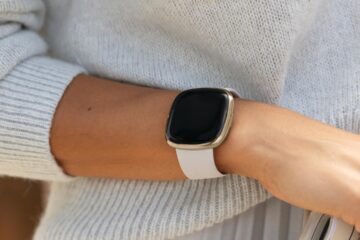
Finding Apple Watch bands for sensitive skin is not simply a matter of choosing a band labelled “hypoallergenic.” Irritation can come from friction, trapped sweat, soap residue, nickel or sensitivity to materials used in a band, clasp or watch case. The material that works best depends on what is causing the reaction.
A comfortable band should fit securely without digging into your wrist, let your skin dry after exercise and use materials you can identify. Woven nylon, silicone or fluoroelastomer, leather and titanium hardware each have different advantages and limitations. No material is guaranteed to suit everyone, and a band change may not solve irritation caused by the watch case, fit or skin-care products.
This guide explains how to choose an Apple Watch band for sensitive skin, what Apple discloses about nickel and acrylates, how to reduce moisture and friction, and when persistent irritation needs medical advice. It is written for U.S. buyers comparing Apple-branded and third-party replacement bands.
Quick answer: Start by identifying the likely trigger. If nickel is a concern, look for a band with clearly disclosed non-nickel skin-contact hardware and verify the clasp and connectors, not just the strap material. If sweat and friction are the problem, prioritize a comfortable fit, a washable band and regular drying. “Hypoallergenic” is not a guarantee that a band will not cause a reaction.
Written by Abdul Khader, researcher and writer at Top Reviewd. Last updated: November 4, 2026
Best Apple Watch Bands for Sensitive Skin: Materials to Compare
There is no single best material for every sensitive-skin wearer. The right choice depends on whether you are trying to avoid nickel, reduce trapped sweat, minimize rubbing or avoid a material that has irritated you before. Check the full material list, including buckles, lugs, adapters, magnets and the parts that touch the skin.
| Band material | Why consider it | Potential drawbacks | Best suited to |
|---|---|---|---|
| Woven nylon or fabric | Lightweight, flexible and often less occlusive than a solid strap | Can absorb sweat; dyes, finishes, thread and metal connectors may still irritate | People who prefer a soft textile feel and can wash and dry the band |
| Silicone or fluoroelastomer | Smooth, flexible and easy to wipe clean | Can trap moisture against skin; formulation, additives and fit vary | Active users who want a washable band and do not react to its material |
| Leather | Can feel comfortable and avoids a continuous metal bracelet surface | Not ideal for sweat or water; tanning chemicals, dyes, adhesives and buckle metal may be triggers | Dry, everyday wear when the wearer tolerates the leather and hardware |
| Titanium or other documented metal | A well-specified titanium band may be an option for someone avoiding certain steel components | Clasps, connectors and adapters may use different metals; stainless steel can contain nickel | People who can verify the alloy and every skin-contact component |
| Third-party polymer or hybrid bands | Many shapes and fit options are available | Material claims may be vague; coatings, adhesives, dyes and hardware differ by seller | Buyers who can get a complete material disclosure and return policy |
Apple lists materials used in its bands and warns that some Apple Watch models and bands contain nickel or trace acrylates and methacrylates from adhesives. Apple also notes that a band that is too tight or too loose can contribute to discomfort. Use the manufacturer’s Apple Watch Wearing and Skin Sensitivity Guidance to check the materials in your exact model and band.
Check Apple Watch Band Size and Connector Compatibility
A band can be made from a material you tolerate and still be the wrong choice if it does not fit your Apple Watch case correctly. Check the case size engraved on the back of your watch and confirm that the band’s size range explicitly includes your model. Band compatibility can differ between case sizes and generations, so do not rely on a listing that simply says “fits Apple Watch.”
Apple warns that third-party bands may not fit properly, may interfere with Wrist Detect and may use materials that cause skin sensitivities or other concerns. Before buying, check the connector dimensions, how securely the band locks into the case, the seller’s material disclosure and the return policy. Never force a connector into the slot.
See Apple’s current instructions for Changing Your Apple Watch Band and Checking Case Compatibility. The same page explains how to remove and attach a band safely.
Why an Apple Watch Band Can Irritate Sensitive Skin
A rash beneath a watch can have more than one cause. Irritant contact dermatitis can develop when sweat, water, soap, sunscreen or lotion remains trapped against the skin. Friction from a tight or loose band can make irritation worse. Allergic contact dermatitis is different: it occurs when the immune system reacts to a substance such as nickel, certain rubber chemicals, dyes, adhesives or other ingredients.
The pattern and timing of symptoms can offer clues, but they cannot reliably identify the cause by themselves. A rash below the strap may suggest a band or clasp contact issue, while irritation beneath the watch case may involve fit, moisture, cleaning residue or a material in the watch itself. Switching bands does not always solve the problem.
Apple specifically identifies nickel and trace acrylates and methacrylates among the materials that some sensitive users may need to consider. The company also points to sweat, soap, sunscreen, lotions and an incorrect fit as possible contributors to discomfort. Apple’s material and fit guidance is worth checking before choosing a replacement band.
The sections below explain common irritation triggers and practical ways to reduce exposure. They are general information, not a diagnosis of a rash or a substitute for advice from a dermatologist.
Sweat
A watch and band can hold sweat and moisture against the wrist, especially during exercise, hot weather or long periods of wear. Sweat, salt, heat and residue from sunscreen or lotion may irritate skin, while damp fabric can take time to dry. The problem is not unique to Apple Watch, but a close-fitting wearable can make the area harder to keep dry.
After a workout or heavy sweating, remove the watch when practical, clean the band according to its material instructions, rinse away residue where appropriate and let both the band and skin dry completely before putting it back on. Apple recommends keeping the watch, band and skin clean and dry, particularly after exposure to sweat, soap, sunscreen and lotions.
Friction
Friction and chafing can occur when a band repeatedly rubs the same area of skin. A band that is too tight can press into the wrist and trap moisture. A band that is too loose can slide around and rub. Rough edges, a buckle, stitching or a connector can also create a localized pressure point.
Apple recommends a snug but comfortable fit with room for the skin to breathe. The watch should stay in contact with the skin for its sensors to work, but it should not dig into the wrist. You may need to adjust the fit for workouts and loosen it afterward.
Do not assume that natural materials are automatically non-irritating or that every synthetic material causes a reaction. Allergies and irritant responses depend on the exact material, additives, contact time, friction and the wearer’s own sensitivities.
Nickel Allergy
Nickel allergy is a form of allergic contact dermatitis. Nickel can be present in some watch cases, metal band components, release buttons, magnets, clasps and connectors. Apple says certain stainless-steel or aluminium Apple Watch models and some metal parts contain nickel, although the amounts are within the limits it describes. People with a known nickel allergy may still need to take care.
Check the material list for the entire band assembly, not only the strap. A fabric or silicone strap may still have a metal buckle or connector that touches the skin. Apple’s published materials page identifies nickel in some Apple Watch components and also notes trace acrylates and methacrylates from adhesives in certain watch and band parts.
Do not cover the watch back or skin-contact surfaces with plastic wrap, tape, nail polish or improvised barriers. These can interfere with sensor contact, fit, charging, cleaning or the materials’ intended use. They are not a reliable way to manage a confirmed allergy. If you suspect nickel allergy, ask a dermatologist about evaluation and patch testing, and choose products with clear material disclosures.
Which Apple Watch Band Material Should You Choose for Sensitive Skin?
Choose a band based on the trigger you are trying to avoid. A woven textile may feel less occlusive than a solid strap, while silicone or fluoroelastomer can be easier to wipe clean after exercise. Leather can be comfortable for dry everyday wear but is not ideal for water or workouts. A titanium band may be worth considering when the manufacturer documents the alloy and all the hardware that touches your skin.
None of these choices is universally hypoallergenic. Dyes, finishes, adhesives, stitching, buckles, magnets, adapters and the watch case can all matter. If you have a diagnosed allergy, match the material disclosure to the allergen identified by your clinician rather than relying on a broad marketing label.
Leather Apple Watch Bands

A leather band may appeal if you prefer a traditional watch feel and wear your Apple Watch mainly in dry conditions. It can be comfortable for office or casual use, but leather absorbs moisture and is generally not the best choice for workouts, swimming or repeated exposure to sweat.
Leather is not automatically hypoallergenic. Tanning agents, dyes, adhesives, surface treatments and the buckle or connector metal may cause irritation for some people. If nickel is your concern, confirm the buckle and attachment hardware are also suitable. Apple notes that its own leather and FineWoven bands are not water resistant, and Apple no longer sells leather bands as of September 2023. Third-party leather options should be checked individually.
Choose a replacement with clear material details, smooth edges and a return policy. Do not wear it against damp or irritated skin, and follow the maker’s cleaning and drying instructions.
Sport Bands

Sport bands made from silicone or fluoroelastomer are flexible and generally easy to wipe clean, which can be useful for exercise. However, a solid band is not necessarily breathable. It can hold sweat against the wrist, especially when worn tightly or without a break after a workout.
If you choose a sport band, check the exact material, any coatings and the metal in its pin, buckle or connector. Apple lists fluoroelastomer in several of its sport-style bands and notes that some bands contain trace acrylates and methacrylates from adhesives. If you have a known rubber or acrylate sensitivity, get medical advice and do not assume that a silicone-like appearance confirms the formulation.
For active use, a smooth band that can be cleaned and dried after exercise may be more practical than leather or a metal bracelet. It is still important to loosen or remove the watch after a workout so moisture can evaporate and the skin can dry.
Woven Nylon and Other Synthetic Apple Watch Bands
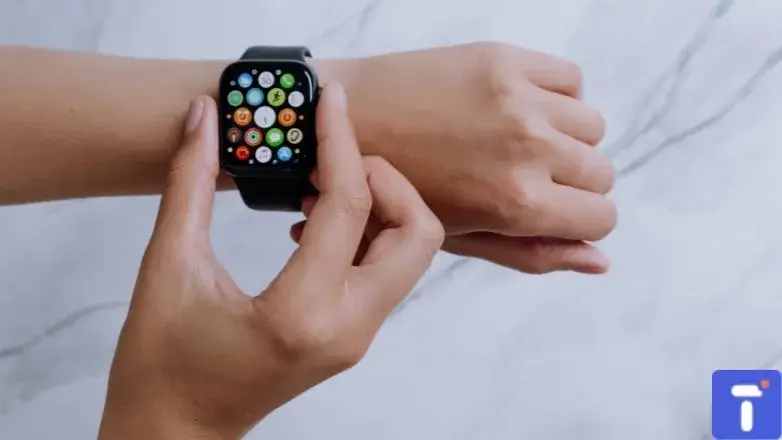
Woven nylon and textile bands can feel lighter and less occlusive than a solid rubber-style strap. Some designs allow more air movement around the wrist, and they may suit people who dislike the close contact of a smooth sport band.
Fabric can absorb sweat, sunscreen and skin-care products, so it needs regular cleaning and enough time to dry completely. Dyes, finishing agents, adhesives, stitching and metal connectors can still be potential irritants. Check the band maker’s material disclosure and care instructions before buying.
Look for a woven band with soft edges, a comfortable adjustable fit and hardware you can identify. If your skin reacts to a particular dye or textile treatment, changing to another fabric band may not help unless the specific trigger is avoided.
Titanium and Metal Apple Watch Bands

A metal band can look polished and last a long time, but it is not automatically a safe choice for someone with a metal allergy. Stainless steel may contain nickel, and Apple specifically discloses nickel in some stainless-steel components, strap parts and magnets. A stainless-steel bracelet should not be described as nickel-free unless the maker provides evidence for that exact product.
Titanium may be an alternative worth researching for someone who needs to avoid nickel, but check the exact alloy and every skin-contact component. Clasps, pins, adapters and connectors may use a different metal from the visible links. A band described simply as “titanium style” or “titanium color” is not proof that it is made from solid titanium.
If you have a confirmed nickel allergy, choose a band with complete material disclosure and discuss the watch case and connectors with your dermatologist. A different bracelet may not resolve the problem if the watch case or another component is also a trigger.
How to Reduce Apple Watch Band Irritation
Changing the band may help when the strap material or hardware is the trigger, but first reduce common sources of irritation. These practical steps follow Apple’s care guidance and general contact-dermatitis prevention advice.
- Give irritated skin a break. Remove the watch if you notice redness, swelling, itching or discomfort. Do not keep wearing it over an active rash.
- Check the fit. Wear the watch snugly enough for sensor contact but not so tightly that it digs into the skin. A loose band can also rub.
- Keep the area clean and dry. After workouts, sweating or exposure to sunscreen, lotion or soap, clean and dry the watch, band and wrist.
- Clean the band according to its material. Apple advises removing the band before cleaning and following separate directions for leather, woven, FineWoven, sport and metal bands. Do not soak leather or FineWoven bands.
- Let the band dry completely. Do not put a damp strap back on the wrist or store it while wet.
- Check every skin-contact part. Review the material of the buckle, pin, connector, adapter, clasp and watch case, not just the visible strap surface.
- Avoid unapproved barriers and coatings. Do not apply nail polish, tape or plastic wrap to the watch back or band to block skin contact. These methods can interfere with sensors, fit and cleaning and do not reliably manage an allergy.
- Use a second strap only after the skin settles. If you test another band, choose one with full material information and stop using it if symptoms return.
For Apple’s step-by-step instructions, see How to Clean Your Apple Watch and Band. If trapped sweat or odor is a recurring concern, read our guide to Why Your Apple Watch Band Smells.
For more Apple Watch advice, see Why Apple Watch Bands Are Expensive and our guide to User-Friendly Smartwatches. You can also explore the Topreviewd Home Page.
When to Stop Wearing the Watch and Ask a Dermatologist
Remove the watch if the skin beneath or around it becomes red, swollen, itchy or painful. Apple advises consulting a doctor before putting the watch back on if irritation occurs. Seek medical advice if symptoms are persistent, recurrent or severe, or if the rash blisters, becomes infected or does not improve after avoiding the suspected trigger.
A dermatologist can assess whether the problem appears to be irritant or allergic contact dermatitis and may recommend patch testing when an allergen is suspected. Do not assume that a band material is the cause without considering the watch case, fit, sweat, soap, lotions or other skin exposures.
For additional information, consult the American Academy of Dermatology’s Nickel Allergy Guidance and the NHS Contact Dermatitis Overview.
Apple Watch Bands for Sensitive Skin: Frequently Asked Questions
1. What Is the Best Apple Watch Band for Sensitive Skin?
There is no single best band for everyone. Woven fabric may suit someone who dislikes a solid strap, while a smooth silicone or fluoroelastomer band may be easier to clean after workouts. A person with a nickel allergy should check the buckle, connector and watch case for nickel, not just the strap material. Choose based on the specific trigger and complete material disclosure.
2. Are Silicone Apple Watch Bands Hypoallergenic?
Not for everyone. Silicone-style bands are flexible and easy to clean, but formulations, additives and hardware can vary. A solid band can also hold moisture against the wrist. If you have a known rubber, polymer or adhesive sensitivity, ask the manufacturer for a complete material list before trying it.
3. Do Apple Watch Bands Contain Nickel?
Some Apple Watch cases and band components contain nickel. Apple identifies nickel in certain stainless-steel and aluminium watch models, some stainless-steel band parts, metallic Hermès components and magnets. Check Apple’s current materials information for your exact watch and band, especially if you have a diagnosed nickel allergy.
4. Is a Nylon Apple Watch Band Better for Sensitive Skin?
A woven nylon band may feel lighter and allow more airflow than a solid strap, but it is not automatically hypoallergenic. Fabric dyes, finishing agents, stitching, moisture and metal connectors can still cause problems. Wash and dry the band according to the manufacturer’s instructions.
5. Can a Tight Apple Watch Band Cause a Rash?
Yes. A band that is too tight can press against the skin and trap sweat, while a band that is too loose can rub and cause chafing. Apple recommends a snug but comfortable fit with room for the skin to breathe.
6. How Often Should I Clean My Apple Watch Band?
Clean it whenever sweat, sunscreen, lotion, soap or visible residue builds up, and after workouts when needed. Follow Apple’s material-specific instructions or the third-party maker’s care guide. Always dry the band completely before wearing it again.
7. Will Changing the Band Stop an Apple Watch Rash?
It may help if the band material, buckle or fit is the trigger. It may not help if the irritation comes from the watch case, a sensor-contact area, trapped moisture, cleaning products or another skin exposure. Stop wearing the device while the skin is irritated and seek medical advice if symptoms persist or recur.
8. Are Titanium Apple Watch Bands Safe for Nickel Allergy?
A band made from documented titanium may be worth considering, but the name alone is not enough. Check the clasp, pins, adapters and connectors for other metals, and check the watch case too. If you have a confirmed nickel allergy, follow your dermatologist’s advice and request full material disclosure from the seller.
9. Should I Put Plastic Wrap or Nail Polish Between My Apple Watch and Skin?
No. Improvised barriers can interfere with sensor contact, fit, cleaning and the device’s intended operation. They are not a reliable way to prevent an allergic reaction. Identify and avoid the actual trigger with help from a healthcare professional if needed.
Editorial Note
This article offers general information about Apple Watch band materials, comfort and skin sensitivity. It is not a medical diagnosis or treatment plan. Skin reactions can have multiple causes, and a band described as hypoallergenic may still contain a material that does not suit a particular wearer. Follow Apple’s current product-care guidance and seek professional advice for persistent or significant symptoms.
Trusted Sources
- Apple Support: Wearing Your Apple Watch and Skin Sensitivities
- Apple Support: How to Clean Your Apple Watch and Band
- Apple Support: Change Your Apple Watch Band and Check Compatibility
- American Academy of Dermatology: Nickel Allergy
- NHS: Contact Dermatitis
- Mayo Clinic: Nickel Allergy
How This Guide Is Researched and Kept Current
This guide is reviewed against Apple’s published wearing, material and cleaning instructions, along with guidance from dermatology and public-health sources about nickel allergy and contact dermatitis. Band materials are described by category, with attention to the full assembly, including buckles, clasps, adapters and connectors that may touch the skin.
We do not label any material universally hypoallergenic or claim that a particular band will prevent every rash. Product descriptions and material formulations can change, especially among third-party accessory sellers. Readers should verify the current specification for the exact band, review care instructions and seek medical advice for persistent or recurrent symptoms. Corrections can be sent through the Topreviewd Contact Page.
About the Author
Abdul Khader is a watch enthusiast, researcher and writer, and the person behind Topreviewd. He writes about luxury and designer watches, automatic and quartz movements, materials, sizing, straps, crystals and water resistance, comparing watches across different price points so readers can judge what they get for the money. His approach is practical. He checks specifications, points out when sources disagree, and keeps published details separate from his own opinion. Read more on the About Page, or reach him through the Contact Us Page.