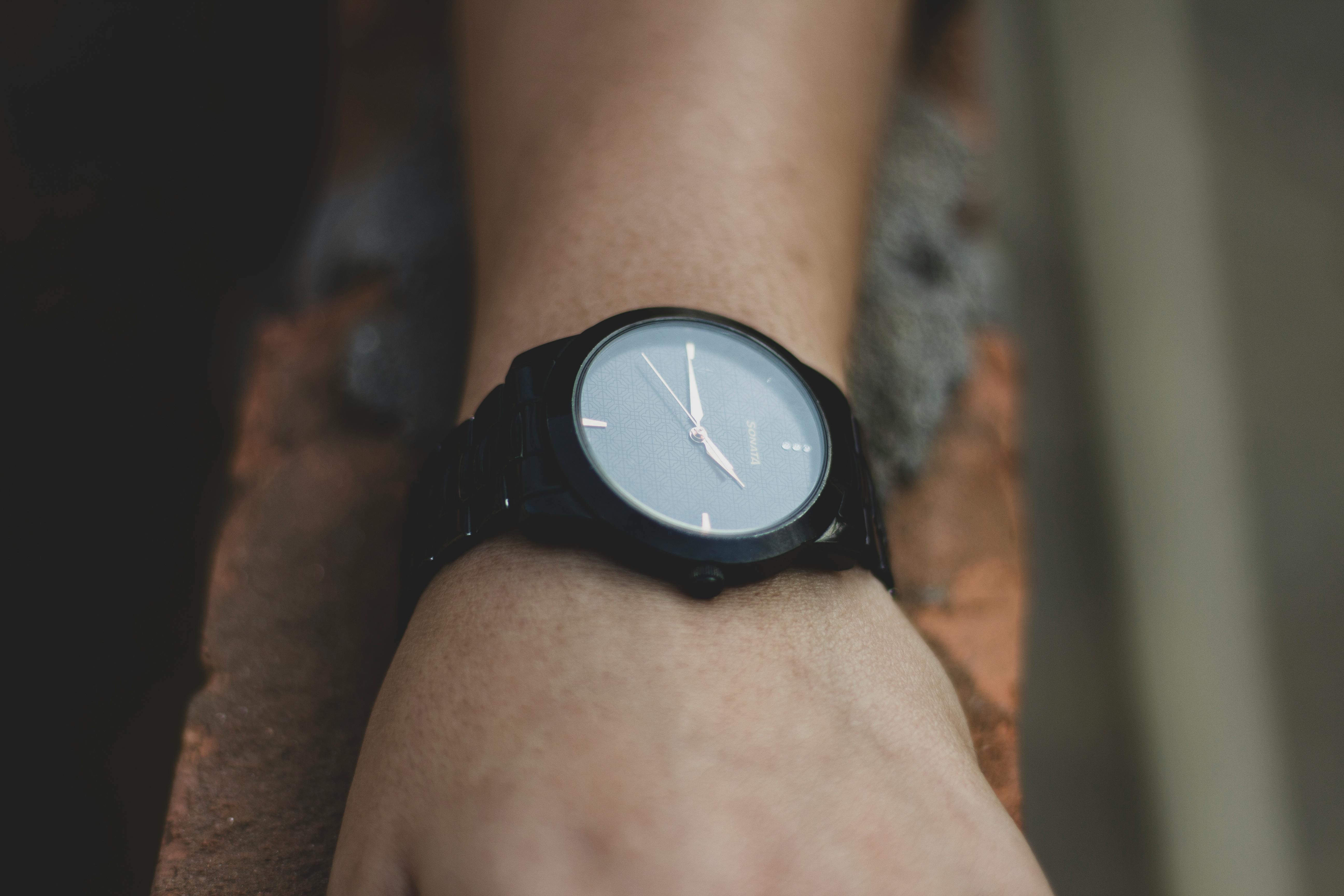
The best smartwatch for women is not defined by color or a smaller case alone. The right choice should fit your wrist, work with your phone, feel comfortable throughout the day, and offer features you will actually use.
For most iPhone owners, the Apple Watch Series 12 in its 42mm size is a strong all-around choice. Android users can compare the Samsung Galaxy Watch9 in 40mm and Google Pixel Watch 4 in 41mm. For a lighter design and longer battery life, consider the Garmin Lily 2 Active. Runners and fitness-focused buyers may prefer the Garmin Venu 4, while the Amazfit Active 2 is a lower-cost option.
This USA-focused guide compares current models using published manufacturer specifications, US pricing where available, and recent specialist buying guides. I have not personally tested every watch listed. Product details are attributed to manufacturers, and battery estimates are maximums under stated test conditions rather than guaranteed everyday results.
Written by Abdul Khader, researcher and writer at Top Reviewd. Last updated: November 5, 2026
Quick Answer
Choose an Apple Watch if you use an iPhone, a Galaxy Watch if you want Samsung’s Android features, and a Pixel Watch if you prefer Google’s Wear OS experience. For a smaller, lighter watch with a longer stated battery estimate, look at the Garmin Lily 2 Active. A smartwatch should be selected for phone compatibility, wrist fit, battery routine, comfort, and the functions you will genuinely use, not because a listing labels it a women’s model.
Best Smartwatches for Women at a Glance
| Best For | Model | Why Consider It |
|---|---|---|
| iPhone users | Apple Watch Series 12, 42mm | Strong iPhone integration, cycle tracking, health features, and a smaller case option. |
| Samsung phone users | Samsung Galaxy Watch9, 40mm | Compact Android smartwatch with Samsung Health features and a 40mm case choice. |
| Other Android users | Google Pixel Watch 4, 41mm | Google apps, Fitbit features, and small and large band options. |
| Small wrists and lighter wear | Garmin Lily 2 Active | 38mm case, 29g weight, built-in GPS, and up to nine days of smartwatch battery life. |
| Fitness and training | Garmin Venu 4, 41mm | Detailed training and wellness tools with up to 10 days of smartwatch battery life. |
| Lower starting price | Amazfit Active 2 Round | AMOLED display, GPS, workout modes, and up to 10 days of typical-use battery life. |
Choose a Smartwatch for Your Daily Routine
For Work, Study, and Everyday Errands
A lightweight watch with a readable display, calendar reminders, message previews, contactless payments, and reliable phone notifications can be useful during a busy day. Check whether the model can handle calls on its own or only when your phone is nearby. Cellular calling usually requires a compatible model, carrier support, and a separate service plan.
For Running, Gym Sessions, and Outdoor Exercise
Prioritize built-in GPS if you want to record outdoor routes without carrying your phone. Look for workout profiles, heart-rate tracking, recovery information, water resistance suited to your activities, and a band that stays secure without rubbing. Serious runners may benefit more from a dedicated sports watch than from a fashion-first model.
For Sleep, Cycle, and General Wellness Tracking
Choose a comfortable, light watch that you can wear overnight and check the sleep and cycle features supported by the exact model and app. Skin-temperature trends and menstrual-cycle logs can provide context, but they do not diagnose a condition or reliably replace clinical advice. Confirm whether the features are available in the United States and whether an app or subscription is required.
Practical Benefits of a Smartwatch for Women
Check Important Notifications at a Glance
A smartwatch can show selected calls, messages, calendar alerts, and reminders without requiring you to take your phone out of a bag or pocket. You can also silence nonessential notifications, use focus modes, and decide which apps are allowed to interrupt you. A watch does not eliminate phone use, but it can make quick checks more convenient.
Track Movement and Structured Workouts
Many models record steps, active minutes, heart rate, workout duration, and distance. Watches with built-in GPS can map outdoor walks and runs without relying entirely on a phone. Calorie-burn figures and wrist-based sensor readings are estimates, so use them to follow trends rather than as exact measurements.
Review Sleep and Wellness Trends
Supported devices can estimate sleep duration, movement, and selected overnight signals. Some also provide cycle logs or temperature trends. These tools may help you notice patterns, but they are not a diagnosis and should not replace medical testing or advice.
Use Helpful Safety and Accessibility Tools
Depending on the brand, phone, region, and plan, a smartwatch may offer emergency SOS, fall detection, crash detection, voice assistance, or accessibility controls. Check the exact feature requirements before relying on one in an emergency. Some functions need a nearby phone, cellular service, location permissions, or an active data connection.
Personalize the Look and Fit
Interchangeable bands and customizable watch faces make it easier to adapt a device to work, exercise, and everyday clothing. A well-fitting band matters more than a particular color: it should be secure enough for reliable sensor contact without pinching, leaving marks, or irritating the skin.

The right model depends on the phone you own, how the watch fits your wrist, how often you are willing to charge it, and whether you need smart features, workout tools, or a simple way to review daily activity.
How to Choose the Right Smartwatch for Women
1. Check Phone Compatibility First
Compatibility can eliminate a model before you compare its design. Apple Watch Series 12 requires a compatible iPhone and is not an Android watch. Samsung Galaxy Watch9 requires a compatible Android phone, while Google Pixel Watch 4 supports most phones running Android 11 or newer. Some functions may require a specific phone brand, operating-system version, account, or regional service. Check the manufacturer’s current compatibility list before ordering.
2. Match the Case and Band to Your Wrist
Do not choose by case diameter alone. Check the watch’s height, weight, lug or case shape, band adjustment range, and how far the body extends across your wrist. A 40mm or 41mm model may be easier to wear on a smaller wrist, but the shape and thickness also affect comfort. Measure your wrist circumference and compare it with the manufacturer’s band chart. The watch should sit securely above the wrist bone without squeezing your skin.
3. Consider Comfort, Materials, and Overnight Wear
If you plan to wear a watch throughout the day or during sleep, look for a lightweight case, a smooth underside, and a band that is easy to clean and adjust. Silicone is practical for exercise, while woven, leather, and metal bands offer different looks and care requirements. Make sure replacement bands are available in the correct connector size. If a strap causes irritation, stop wearing it and check the material and fit.
4. Compare Battery Life and Charging Habits
Manufacturer battery figures are usually maximum estimates under specific conditions. Always-on displays, GPS workouts, cellular use, music, frequent notifications, and overnight health tracking can reduce runtime. A watch advertised for several days may suit you better if you dislike daily charging. If you want detailed app support and a bright display, you may need to accept more frequent charging.
5. Choose the Health and Fitness Features You Will Use
For everyday activity, step counts and basic heart-rate tracking may be enough. Runners may want built-in GPS, pace, training load, and recovery tools. People interested in sleep may prioritize overnight comfort and sleep reports.
Cycle Tracking and Temperature Trends
If menstrual-cycle tracking is important, check whether the watch records period dates, uses wrist-temperature trends, estimates fertile windows, or needs a companion app. Features vary by model, phone, software, and region. Treat estimates as wellness information, not a diagnosis or a reliable replacement for contraception or clinical advice.
Understand the Limits of Wrist Sensors
Heart rate, blood oxygen, sleep, and calorie figures are estimates that can be affected by fit, movement, skin contact, and device design. Do not assume that a consumer smartwatch can provide a clinically reliable blood-pressure reading. Use an appropriate medical device and speak with a healthcare professional when you need measurements for medical decisions.
6. Understand Water Resistance
Water resistance ratings are not interchangeable with a promise that a watch is waterproof in every situation. Check the manufacturer’s guidance for swimming, showering, hot water, soaps, diving, and water-sport use. A 5 ATM rating is commonly intended for swimming under specified conditions, but the manufacturer’s use and care instructions take priority. Water resistance can also deteriorate as seals age or the watch is damaged.
7. Review Safety, Privacy, and Subscription Requirements
Check whether emergency SOS, fall detection, crash detection, cellular calling, and location sharing work in your country and under your phone plan. Review app permissions and decide whether you are comfortable sharing health and location data with the watch maker and connected services. Some premium sleep, coaching, or wellness reports may require a paid subscription, so include recurring costs in your budget.
8. Check Warranty, Software Support, and Total Cost
Compare the US retail price with the cost of replacement bands, screen repairs, cellular service, and any subscription. Look at the brand’s warranty terms and software-support policy. A discounted older model can still be a good purchase if it receives security updates and supports your phone, but avoid buying a device that has reached the end of its useful software life.
The 6 Best Smartwatches for Women in 2026
The models below cover different phone ecosystems, wrist sizes, fitness needs, and budgets. US list prices and specifications were checked against manufacturer pages on November 5, 2026. Retail discounts, configurations, taxes, and availability can change. These are research-based recommendations from published specifications and specialist reviews, not claims of hands-on testing by Top Reviewd.
1. Apple Watch Series 12, 42mm: Best Overall for iPhone Users
US starting price: $399 for the GPS aluminum model. The 42mm version is the smaller case option, and Apple lists up to 24 hours of normal use under its test conditions. Series 12 includes cycle-tracking tools, wrist-temperature sensing, sleep features, heart-rate notifications, and a broad selection of apps. See Apple Watch Series 12 Technical Specifications and Apple’s US Buying Options.
Why consider it: It is a strong fit for someone already using an iPhone who wants messaging, calls, Apple services, and health features in one device. The 42mm case is easier to consider for a smaller wrist than the 46mm version, although wrist shape and band fit still matter.
What to weigh: Apple Watch works with iPhone, not Android, and its battery routine is closer to daily charging than to the multi-day estimates offered by some fitness watches. Cycle and wellness estimates are informational and should not be treated as a medical diagnosis or birth-control method.
2. Samsung Galaxy Watch9, 40mm: Best for Samsung Phone Owners
US starting price: $379.99 for Bluetooth, with LTE versions priced higher. Samsung offers 40mm and 44mm sizes. The 40mm model has a 390mAh battery and is rated for up to 30 hours with the always-on display enabled under Samsung’s stated test conditions. See Samsung Galaxy Watch9 Features and Samsung’s US Availability and Specifications.
Why consider it: The 40mm size is a more compact option, and the watch integrates with Samsung Health and the wider Android ecosystem. It can suit someone who wants notifications, workouts, sleep information, and Samsung phone features without moving to a larger sports watch.
What to weigh: Samsung lists Android 13 or newer as the compatibility baseline, and certain health functions may depend on a Samsung phone, app version, country, or regulatory availability. Its battery still needs regular charging, especially with always-on display and GPS use.
3. Google Pixel Watch 4, 41mm: Best Google Smartwatch for Android
US starting price: $349.99. The 41mm version weighs 31g without its band, works with most phones running Android 11 or newer, and is rated for up to 30 hours with always-on display or up to 48 hours in Battery Saver mode. Google includes small and large band sizes in the box. Review Google Pixel Watch 4 Specifications before buying.
Why consider it: It is a compact option for Android users who prefer Google’s apps and Fitbit-related activity and wellness tools. The 41mm case and included band sizes make it worth comparing for smaller wrists, and the watch supports GPS and a range of health sensors.
What to weigh: It is not compatible with iPhones. The 41mm model is rated for about a day of use with the always-on display, so plan for frequent charging if you want overnight tracking.
4. Garmin Lily 2 Active: Best Small and Lightweight Fitness Watch
US list price: $299.99. Garmin lists a 38mm case, a weight of 29g, built-in GPS, and up to nine days of battery life in smartwatch mode. The small design can appeal to people who find larger touchscreen watches bulky. See Garmin Lily 2 Active Specifications.
Why consider it: It combines a compact, jewelry-inspired look with activity tracking, GPS workouts, sleep information, and Garmin Connect features. Garmin also offers cycle tracking in its app, with feature details depending on the device and software.
What to weigh: The display is smaller and simpler than the bright full-color screens on Apple, Samsung, or Google watches. Choose it for compact fitness tracking and battery life rather than a large app library or a phone-like experience on your wrist.
5. Garmin Venu 4, 41mm: Best for Fitness and Training Features
US suggested retail price: From $549.99. Garmin offers 41mm and 45mm sizes. Its published battery estimates reach up to 10 days in smartwatch mode for the 41mm model, although GPS, music, notifications, and sensor settings change real-world runtime. See Garmin Venu 4, 41mm and Garmin Venu 4 Battery Information.
Why consider it: The Venu 4 is the more training-oriented option in this list. It is worth comparing if you want GPS workouts, structured exercise tools, recovery context, sleep insights, and a longer stated battery estimate than many app-focused smartwatches.
What to weigh: It is more expensive than the compact Lily 2 Active and budget models. Check the 41mm case dimensions and band fit in person if possible, and review Garmin’s feature and regional availability notes before relying on any health metric.
6. Amazfit Active 2 Round: Best Lower-Cost Option
US price: From $99.99, depending on version and availability. Amazfit lists a 1.32-inch AMOLED display, a 44mm case, built-in GPS, more than 160 workout modes, and up to 10 days of typical-use battery life. The manufacturer also lists a 5 ATM water-resistance rating. See Amazfit Active 2 Round Features and Pricing.
Why consider it: It offers a broad everyday feature set at a lower starting price than the Apple, Samsung, Google, and Garmin options above. It may suit someone who wants activity tracking, GPS, and a bright display without paying for a premium app ecosystem.
What to weigh: Its 44mm case is larger than the compact Garmin Lily 2 Active or the 40mm to 42mm options above, so it may not be the most comfortable choice for a particularly small wrist. Compare app support, notification handling, and band fit with your phone before ordering.
Explore more smartwatch guidance from Top Reviewd Watch Guides, including Smartwatches for Small Wrists, Best Smartwatches for Activity Tracking, Smartwatches for Fitness Tracking, and Smartwatches for Calls and Texting.
Smartwatch Buying Checklist Before You Order
- Confirm that the watch supports your exact phone model and operating-system version.
- Measure your wrist and compare the case dimensions, thickness, weight, and band adjustment range.
- Decide whether you need built-in GPS, cellular service, contactless payments, or offline music.
- Check whether the battery estimate matches your planned use, including sleep tracking and GPS workouts.
- Verify the availability and limits of cycle, sleep, and health features in the United States, including any app or subscription costs.
- Read the water-resistance guidance, privacy terms, warranty, return policy, and replacement-band options.
Frequently Asked Questions About Smartwatches for Women
Which smartwatch is best for women in 2026?
There is no single best model for everyone. The Apple Watch Series 12 is a strong option for iPhone owners, the Samsung Galaxy Watch9 and Google Pixel Watch 4 suit different Android users, the Garmin Lily 2 Active is compact and lightweight, the Garmin Venu 4 has deeper fitness tools, and the Amazfit Active 2 costs less. Start with phone compatibility and fit.
What size smartwatch is best for a small wrist?
Compare the case width, thickness, weight, and band range rather than relying on one universal size. The Garmin Lily 2 Active has a 38mm case, while the Apple Watch Series 12 offers a 42mm size, the Samsung Galaxy Watch9 has a 40mm option, and the Pixel Watch 4 is available in 41mm. Try the watch on if possible because case shape affects how large it looks and feels.
Can a smartwatch work with both iPhone and Android?
Not every smartwatch supports both platforms. Apple Watch is designed for iPhone and does not pair with Android. Pixel Watch 4 requires Android, and Samsung Galaxy Watch9 is an Android watch. Some Garmin and Amazfit models support both iOS and Android through their companion apps, but available functions can differ. Check the exact model’s compatibility list before purchase.
Are smartwatch period and cycle-tracking features accurate?
Cycle features can record period dates and, on selected models, show temperature trends or estimated fertile windows. These are estimates based on the available data and the manufacturer’s method. They should not be used as a diagnosis, as a substitute for a clinician, or as contraception unless a feature has been specifically validated and authorized for that purpose.
Can a smartwatch measure blood pressure?
Do not assume a smartwatch provides a clinically reliable blood-pressure measurement. The US Food and Drug Administration warns consumers not to rely on unauthorized wearable features that claim to measure or estimate blood pressure. Use an appropriate FDA-authorized blood-pressure monitor and follow your healthcare professional’s advice. Read the FDA Safety Communication About Unauthorized Blood-Pressure Devices.
Do I need an LTE or cellular smartwatch?
No. A Bluetooth or GPS model can handle many functions when connected to your phone. LTE is useful when you want calls, messages, or data services away from your phone, but it usually requires a compatible carrier plan and may increase the purchase price and battery use.
Are smartwatches waterproof?
No watch should be treated as waterproof in every situation. Water-resistance ratings and permitted activities vary by model. Follow the manufacturer’s instructions for swimming, hot water, diving, soap, and water sports, and remember that seals can wear or be damaged over time.
How often do smartwatches need charging?
It depends on the model and settings. Apple Watch, Samsung Galaxy Watch, and Pixel Watch models commonly need frequent charging, while some Garmin and Amazfit watches publish multi-day battery estimates. GPS, cellular connections, always-on display, sleep tracking, and music can reduce runtime. Compare battery estimates using the same usage assumptions where possible.
Can I wear a smartwatch while sleeping?
Many models support sleep tracking, provided the battery has enough charge and the band is comfortable. Wear it snugly enough for sensor contact without tightening it to the point of discomfort. Remove it if it irritates your skin, and remember that sleep-stage estimates are not a medical sleep study.
Conclusion
The best smartwatch for women is the one that fits comfortably, works with the phone you own, and supports your priorities without adding features or subscriptions you do not need. For iPhone users, start with the Apple Watch Series 12 in 42mm. For Android, compare the Samsung Galaxy Watch9 40mm with the Pixel Watch 4 41mm. Consider Garmin for compact fitness tracking or longer stated battery life, and Amazfit for a lower-cost entry point. Check current prices, regional feature availability, and return policies before purchasing.
Editorial Note
This article is an independent buying guide for readers in the United States. “Best for women” refers to practical considerations such as wrist size, case weight, band fit, cycle-tracking options, and design preferences. These products are not designed exclusively for one gender, and the right choice depends on individual needs. Health and activity features are consumer wellness tools, not a replacement for professional medical care.
Trusted Sources
- Apple Watch Series 12 Technical Specifications for case sizes, compatibility, cycle tracking, and battery estimates.
- Samsung Galaxy Watch9 Official Product Information and Samsung’s US Launch Specifications.
- Google Pixel Watch 4 Specifications for size, weight, phone compatibility, battery, and included bands.
- Garmin Lily 2 Active Specifications and Garmin Venu 4 Product Information.
- Amazfit Active 2 Round Official Product Information.
- US Food and Drug Administration Safety Communication on Unauthorized Blood-Pressure Devices.
- Wareable’s 2026 Smartwatch Guide for Women and Tom’s Guide’s 2026 Women’s Smartwatch Buying Guide for independent market context.
How This Guide Is Researched and Kept Current
We compare manufacturer-published specifications, current US product listings, compatibility requirements, warranty and feature notes, and recent specialist buying guides. We distinguish official battery estimates from real-world performance and identify health features that vary by model, phone, app, subscription, or region. Top Reviewd has not personally tested every watch in this comparison, so we do not present manufacturer claims as hands-on test results. Prices and product availability can change, and this guide should be rechecked when manufacturers release new models or revise software and service support. Readers can report factual corrections through the Contact Us page.
About the Author
Abdul Khader is a watch enthusiast, researcher and writer, and the person behind Topreviewd. He writes about luxury and designer watches, automatic and quartz movements, materials, sizing, straps, crystals and water resistance, comparing watches across different price points so readers can judge what they get for the money. His approach is practical. He checks specifications, points out when sources disagree, and keeps published details separate from his own opinion. Read more on the About Page, or reach him through the Contact Us page.