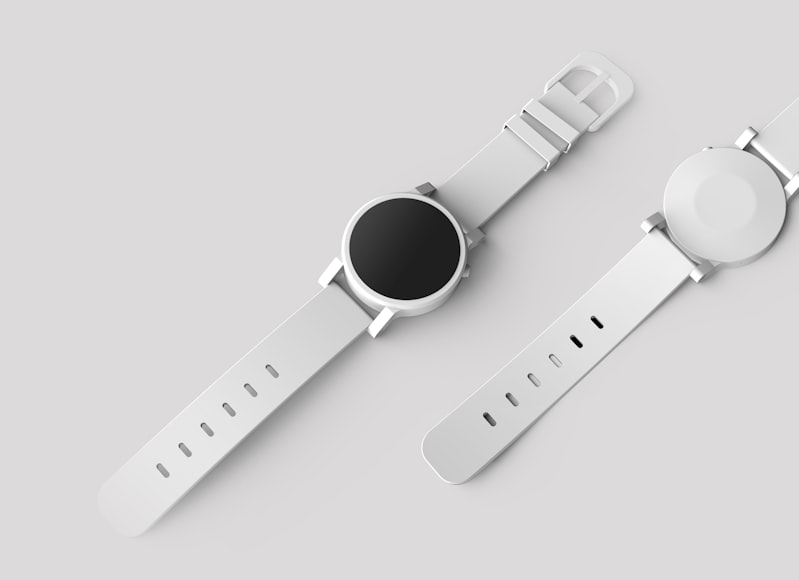
Apple Watch bands can cost much more than generic replacement straps, but the price difference is not explained by one factor. Material, hardware, fastening design, finishing, sizing, product development, brand positioning and the retail channel can all contribute. Some premium Apple bands use more elaborate metal construction, while basic sport and woven options cost considerably less.
That does not mean every Apple-branded band is automatically better value or that every third-party band is poorly made. Several third-party manufacturers sell well-finished, compatible alternatives for less, while very cheap listings can vary in material quality, clasp security, fit and durability. The sensible choice depends on how you wear the watch and what you expect from the band.
This guide explains why Apple Watch bands are expensive, what current U.S. prices buy, how Apple bands compare with third-party options, and how to avoid paying extra for features you do not need. It also covers compatibility, materials, comfort and practical ways to save money.
Quick answer: Apple charges more for a combination of materials, design, closures, fit, finish, brand positioning and its retail ecosystem. A $49 Sport Band and a $349 Link Bracelet are very different products, so compare like with like. You do not need to buy directly from Apple to get a good band, but check fit, materials, hardware, seller reputation and return terms before choosing a cheaper alternative.
Written by Abdul Khader, researcher and writer at Top Reviewd. Last updated: November 4, 2026
Why Apple Watch Bands Cost More

Apple’s prices reflect several overlapping factors. Some are visible in the product itself, such as the material, clasp, adjustability and finish. Others are part of the business model, including Apple’s design and brand positioning. Apple does not publish a cost breakdown showing how much of a band’s retail price comes from raw materials, manufacturing, research, marketing or profit, so claims that one factor alone explains the price should be treated cautiously.
1. Brand Positioning and Apple’s Design Ecosystem
Apple Watch bands are part of a wider accessory ecosystem. Apple designs the band to complement the watch case, colors, finishes and fastening system, then sells it through its own stores and retail partners. Brand recognition and the convenience of buying a directly supported accessory can contribute to a higher price than a generic replacement strap.
That is a brand premium, not proof that every Apple band is objectively superior to every third-party option. The value of the premium depends on whether you care about Apple’s exact design, finish, packaging, retail experience and product support. If the band will be used mainly for casual wear, a less expensive compatible option may meet your needs just as well.
2. Construction, Fit and Hardware
A watch band is more than the visible strap. Its fastening system, adjustment range, connector tolerances, edge finishing, stitching or link construction all affect how it feels and how securely it stays attached. A well-designed closure can make a band easier to put on, remove and adjust, while a poor connector or weak clasp can make even an attractive band frustrating to use.
Apple sells bands with several fastening designs, including pin-and-tuck closures, hook-and-loop fabric, magnetic closures and adjustable metal links. These are not interchangeable features, and the price difference can reflect the complexity of the hardware and construction. This does not guarantee that a band will last longer in every user’s conditions.
Third-party quality varies widely. Some inexpensive bands have loose adapters, rough edges, weak magnets or clasps that do not stay closed. Other established accessory brands make reliable alternatives. It is more useful to judge the exact product, construction and seller than to assume all third-party bands are low quality.
3. Material Choices and Manufacturing Details
Apple uses different materials across its band range. Examples include fluoroelastomer for sport-style bands, woven nylon and polyester for fabric loops, stainless steel for metal bracelets, titanium for selected Ultra bands, and leather or textile in selected Hermès designs. Each material has different production requirements, feel, weight, cleaning needs and expected use.
Metal links require cutting, shaping, finishing and a reliable adjustment or clasp system. Woven bands require fabric construction and secure attachment points. A molded elastomer band has a different cost structure from a multi-link metal bracelet. Higher material or manufacturing complexity can help explain why certain models cost more than basic sport straps.
However, Apple does not publish the factory cost or material cost for each band, and a material name alone does not establish overall quality. A well-made nylon strap can be a better fit for daily exercise than a costly metal bracelet. Compare the properties that matter for your intended use rather than assuming the most expensive material is always the best choice.
4. Consistent Specifications and Retail Support
Buying directly from Apple makes it easier to check the official material description, size range, color, closure and compatibility details for the listed band. You also receive Apple’s standard retail service and return process, subject to the terms that apply to the purchase. That predictability can matter if you want a specific finish or need help confirming fit.
Third-party products can be equally clear about their specifications, but the information depends on the seller. Listings that use generic descriptions such as “premium silicone” or “stainless steel style” without identifying the actual material deserve extra scrutiny. Look for clear photos of the connector and clasp, accurate dimensions, a credible seller, warranty details and a return policy.
Buying from Apple reduces some uncertainty, but it does not make a band immune to wear, damage or a poor fit. Check the product details and keep the purchase receipt regardless of where you shop.
5. Comfort, Sizing and Intended Use
Comfort depends on wrist size, band weight, material, closure and how tightly the watch is worn. A textile loop may be easier to fine-tune, a sport band may be simple to rinse after exercise, and a metal bracelet may feel heavier or need link adjustment. These differences can make one band more suitable for a particular person than another.
Apple’s own guidance says the watch should fit snugly but comfortably, with enough room for skin to breathe. A strap that is too tight or too loose can affect both comfort and sensor contact. No Apple band can guarantee that every wearer will avoid irritation or an allergic reaction. Check the material list if you have a known sensitivity.
The right band is also use-specific. A breathable loop can be practical for running or sleeping, while a metal bracelet may suit office or formal wear. Paying extra for a band that does not suit your activity, climate or wrist size is not good value.
Current Apple Watch Band Prices in the United States
The price gap is easier to understand when you compare actual products. Apple’s U.S. store currently lists examples such as the following. These are retail price snapshots, not a guarantee that every color, case size or model is available at the same price.
| Apple band example | Typical construction | Listed U.S. price | What the extra cost buys |
|---|---|---|---|
| Sport Band | High-performance rubber or fluoroelastomer with pin-and-tuck closure | $49 | Simple molded design, familiar closure and easy-care material |
| Sport Loop | Soft woven nylon textile with adjustable hook-and-loop fastening | $49 | Adjustability and a soft textile contact surface |
| Alpine Loop, Trail Loop or Ocean Band | Outdoor or water-sport focused textile or elastomer designs | $99 | Specialized materials, closure systems and intended-use construction |
| Titanium Milanese Loop | Metal mesh with titanium construction | $199 | More expensive metal material and a specialized adjustable mesh design |
| Stainless Steel Link Bracelet | Multi-link stainless-steel bracelet | $349 | More complex link construction and an adjustable metal bracelet format |
| Selected Hermès bands | Designer collaboration using materials such as molded rubber, woven textile or metal | From about $499 for selected styles | Designer branding, distinctive styling and collaboration positioning |
Prices above were checked against Apple’s U.S. online band catalog on November 4, 2026. Apple changes collections and pricing, and certain special-edition or Hermès products can cost substantially more. Compare the exact product page before purchase. See Apple’s Current Apple Watch Band Collection for live listings.
A $49 Sport Band and a $349 Link Bracelet are not direct equivalents. The Link Bracelet uses a more complicated metal-link construction, while a Sport Band is a molded elastomer strap. A premium price may be easier to justify when you specifically want the material, design or closure, but it does not mean the higher-priced option is better for every wrist or activity.
For activity-specific options, see our guide to Apple Watch Bands for Sensitive Skin and our advice on Why Your Apple Watch Band Smells.
Should I Buy a Third Party Watchband for My Apple Watch?
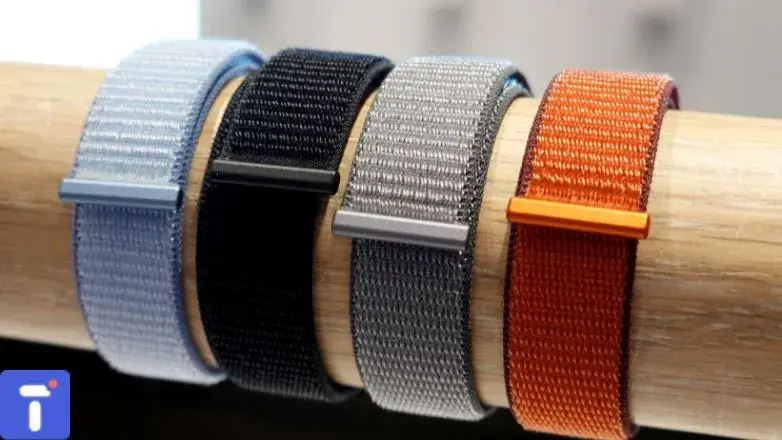
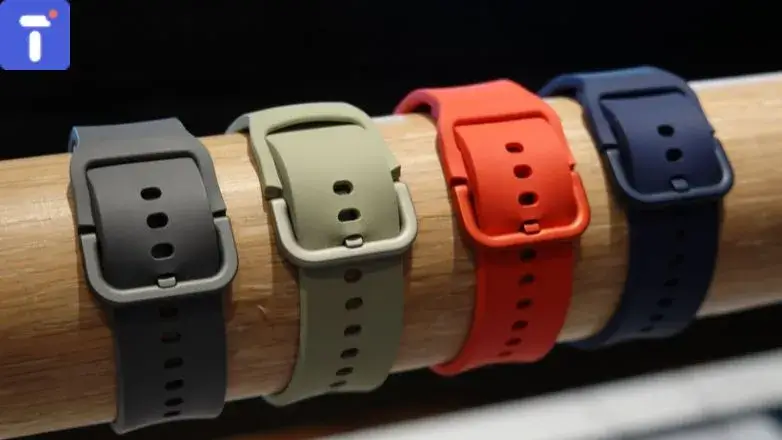
Yes. A third-party Apple Watch band can be a sensible purchase when you want more colors, a different material or a lower price. Independent reviewers and owner discussions show that experiences vary: some alternatives offer good fit and durability for less, while others have weak fasteners, uncomfortable edges, poor sizing or material that wears quickly. The brand name alone does not predict the result.
For example, WIRED’s 2026 band testing compares Apple’s own options with third-party bands across comfort, intended use and construction. Recent Apple Watch owner discussions also describe both good-value third-party purchases and disappointing low-cost ones. Treat reviews as clues about repeated issues, not as proof that every product from a seller performs the same way. WIRED’s 2026 Apple Watch Band Testing.
Apple Watch Band vs Third-Party Band: Which Offers Better Value?
| Factor | Apple-branded band | Third-party band |
|---|---|---|
| Price | Usually higher, especially for metal and designer collections | Often lower, with a broad range from budget to premium |
| Fit and connector | Designed for the listed Apple Watch case sizes | Varies by maker and model. Check exact size compatibility and connector fit |
| Material information | Published by Apple for its own band range | Depends on the manufacturer and accuracy of the product listing |
| Style selection | Apple’s current colors, shapes and collaborations | More third-party styles, colors and niche designs may be available |
| Quality consistency | Usually consistent within a listed Apple product | Can be excellent or poor. Assess the exact seller and product |
| Warranty and returns | Apple’s published retail terms apply to Apple purchases | Terms vary by seller. Check before ordering |
The better value depends on what matters to you. Paying more may make sense for a particular metal finish, refined link bracelet, precise color match or Apple-designed closure. A third-party band may be the smarter choice for a basic sport strap, a spare color or a style you want to try without spending much.
How to Choose a Good Third-Party Apple Watch Band
- Confirm case-size compatibility. Check the exact Apple Watch case size and the size range supported by the band. Do not rely on a vague “fits all Apple Watch” claim.
- Inspect the connector. Look for clear photos and reviews describing whether the adapter slides in smoothly, locks securely and releases correctly. Never force a connector.
- Check the actual material. Look for a named material rather than vague words such as “premium,” “skin-friendly” or “stainless style.” Check buckle, pins, magnets and adapters too.
- Review fastening security. Read feedback about magnets, pins, buckles, hook-and-loop closures and link adjustment. A band that can detach during activity is not a bargain.
- Match the band to your use. Choose a washable sport strap for workouts, a comfortable textile loop for daily wear or an appropriately fitted metal band for dress use.
- Buy from a seller with clear returns. Check the seller identity, warranty, return window and replacement policy before ordering.
- Inspect it before wearing. Check edges, seams, clasps, loose parts and fit. Stop using a band if it causes discomfort, skin irritation or does not lock in place securely.
Apple’s own band instructions explain compatible case-size groups and warn users not to force a band into its slot. Review Apple’s Band Compatibility and Changing Instructions before buying an alternative.
Conclusion: Are Apple Watch Bands Worth the Price?
Apple Watch bands cost more for a combination of design, material, hardware, finishing, brand positioning and retail support. Some premium styles use more involved metal construction or specialized materials, while basic sport and woven options sit at a much lower price. Apple does not disclose the manufacturing cost or profit margin for each band, so it is not possible to claim that the material alone explains the price.
An Apple band can be worth the price if you value its exact design, feel, finish, closure or integration with the watch. A third-party band can offer better value when you want a simple replacement, another color or a different style. Compare the exact product, not just the brand name, and never compromise on secure connectors, comfortable fit or clear material information.
Before you buy, check your Apple Watch case size, the band’s supported size range, material, closure, seller reputation and return policy. The best band is the one that fits your wrist and your daily routine at a price you are comfortable paying. For more help, read our guides to Apple Watch Bands for Sensitive Skin, Why Your Apple Watch Band Smells and visit the Topreviewd Home Page.
Apple Watch Band Pricing FAQs
1. Why Are Official Apple Watch Bands So Expensive?
Apple prices its bands based on a combination of materials, design, fastening hardware, construction, brand positioning and retail support. The factors differ by model. A molded sport strap is a simpler product than a multi-link metal bracelet or a designer collaboration band.
2. How Much Do Apple Watch Bands Cost in the United States?
Prices vary by design and collection. At the time this guide was checked, Apple’s U.S. store listed Sport Bands and Sport Loops at about $49, selected outdoor bands around $99, titanium Milanese styles around $199 and Link Bracelets around $349. Selected Hermès bands cost more. Check Apple’s live store for the exact model and current price.
3. Are Apple Watch Bands Better Than Third-Party Bands?
Not in every case. Apple bands offer clearly published materials and consistent product listings, but some third-party brands make well-finished alternatives at lower prices. Quality varies widely, so compare the exact material, connector, clasp, comfort, durability reviews and return policy.
4. Can a Cheap Third-Party Band Damage an Apple Watch?
A poorly fitting or badly made connector may fail to lock securely, detach or scratch the case. Do not force a band into the slot. Inspect the connector and release mechanism, and stop using the band if it moves unexpectedly or will not lock in place. Apple advises using a band that corresponds to the case size and following its change instructions.
5. Why Do Some Apple Watch Bands Cost More Than $100?
Some bands use titanium, stainless-steel links, specialized closures, woven construction or designer collaboration details. Those features can make production more involved and position the product at a higher price. The extra cost is only worthwhile if you value those features and the band suits your use.
6. Are All Apple Watch Bands Compatible With Every Apple Watch?
No. Compatibility depends on the case size and band design. Apple publishes compatible case-size groups, and some bands have narrower fit requirements. Check the official compatibility list for the exact watch and band before ordering.
7. Do Apple Watch Bands Come With a Separate Warranty?
Warranty and consumer-law coverage depend on the product, country and terms of purchase. Check Apple’s current warranty information and the terms shown at checkout. Third-party bands are covered by the seller or manufacturer’s own warranty and return policy, which can differ substantially.
8. How Can I Save Money on an Apple Watch Band?
Consider a reputable third-party option, a sale or an open-box product from a trusted retailer. Compare total price, shipping, return terms and seller reputation. Avoid listings with vague material descriptions, copied product photos or unclear compatibility claims.
9. Are Expensive Apple Watch Bands More Durable?
Not automatically. Material, construction, fit, care and frequency of use affect durability. A metal bracelet may be robust but can be heavier, while a sport band is easier to wash but may show wear over time. Price alone is not a durability test.
10. Is an Apple Watch Band Worth Buying Directly From Apple?
Buying from Apple makes sense when you want a specific Apple design, official material details and the retailer’s direct support. If you mainly want a basic strap at a lower cost, a carefully chosen third-party product may be better value. Compare like-for-like features before deciding.
Editorial Note
This article explains Apple Watch band pricing for U.S. buyers. Prices are examples checked on November 4, 2026 and may change by model, size, color, promotion and availability. A listed retail price does not establish the band’s manufacturing cost or prove that it is more durable than every lower-priced alternative.
Trusted Sources
- Apple U.S. Store: Current Apple Watch Bands and Prices
- Apple Support: Change Your Apple Watch Band and Check Compatibility
- Apple Support: Wearing Your Apple Watch, Fit and Materials
- WIRED: Apple Watch Band Testing and Recommendations, 2026
- Consumer Reports: Best Apple Watch Bands
How This Guide Is Researched and Kept Current
This guide is reviewed against Apple’s U.S. band catalog, official material descriptions and compatibility instructions, along with independent band testing and consumer feedback. Price examples are recorded as dated snapshots rather than permanent price claims. We compare the construction, materials, closure, compatibility, intended use and purchase terms rather than treating every Apple or third-party band as identical.
We do not infer manufacturing costs, profit margins or guaranteed durability where a company has not published those details. Third-party products are assessed as individual items because quality and seller support can vary. Readers can report a factual correction or suggest an update through the Topreviewd Contact Page.
About the Author
Abdul Khader is a watch enthusiast, researcher and writer, and the person behind Topreviewd. He writes about luxury and designer watches, automatic and quartz movements, materials, sizing, straps, crystals and water resistance, comparing watches across different price points so readers can judge what they get for the money. His approach is practical. He checks specifications, points out when sources disagree, and keeps published details separate from his own opinion. Read more on the About Page, or reach him through the Contact Us Page.