The best Apple Watch band for sensitive skin is the one that avoids your specific trigger, fits comfortably, and can be kept clean and dry. Some people do better with a smooth sport band, while others prefer a breathable woven strap or a metal option with a clearly documented composition. No material is guaranteed to be hypoallergenic for everyone, so check the exact band materials and hardware before buying.
This guide compares common Apple Watch band materials, explains why irritation happens, and offers practical steps for choosing and wearing a replacement. It is general educational information, not a diagnosis or a substitute for medical advice.
Last Updated: October 18, 2026.
Quick Answer: Which Apple Watch Band Is Best for Sensitive Skin?
Start by matching the band to the likely cause of irritation. If sweat and trapped moisture are the problem, try a washable, quick-drying band and take the watch off to dry your skin after exercise. If you suspect a metal allergy, look for clear material disclosures and consider a band with verified titanium hardware, but remember that the watch case and sensors may also contain materials that matter. If a band itself causes itching or redness, stop wearing it rather than trying to cover the watch with nail polish or plastic.
Written by Abdul Khader, watch enthusiast, researcher and writer at Topreviewd.
Key Takeaways
- No band material is universally hypoallergenic. Your specific allergy, skin condition, and wearing habits matter.
- Nickel, trace acrylates, sweat, soap residue, moisture, and friction can all contribute to irritation.
- Choose a band based on disclosed materials, comfortable fit, cleaning needs, and the activity you do.
- Keep the watch and band clean and dry, and loosen the strap enough to avoid pressure without losing proper sensor contact.
- Remove the watch if irritation develops and seek medical advice for persistent, severe, swollen, blistering, or painful skin.
Apple Watch Band Materials at a Glance
Use this table as a starting point, not a medical guarantee. Materials and hardware vary by model and seller, so check the product listing and manufacturer details before ordering.
| Band material | May suit | What to check | Potential drawback |
|---|---|---|---|
| Sport silicone or fluoroelastomer | Workouts and easy cleaning | Exact polymer, buckle or pin material, and fit | Can trap sweat; some users react to the material or hardware |
| Woven nylon or textile | Lightweight everyday wear and airflow | Fabric composition, rough edges, dyes, and how easily it dries | Can hold moisture or irritate through texture and friction |
| Titanium band or hardware | People seeking a metal option with documented composition | Whether the skin-contacting parts are solid titanium or coated alloy | Cost, fit, and other watch components still matter |
| Leather | Dry everyday use and dress wear | Tanning agents, dyes, adhesives, lining, and buckle metal | Not ideal for swimming or sweaty workouts; leather itself can irritate some people |
| Stainless steel | Users who tolerate the specific alloy | Nickel content, coating, clasp, and links | Some stainless-steel parts contain nickel |
Apple offers bands in several materials, but product names alone do not establish that a band is safe for every sensitive-skin user. Check Apple’s current Apple Watch fit and skin-sensitivity guidance and its current band listings for the latest material and compatibility details. Availability and specifications can change.
Skin Reaction to Apple Watch Band
Skin irritation around a smartwatch can have several causes. Common contributors include moisture, friction, pressure, residue from soap or lotion, and sensitivity to certain materials. Identifying the likely trigger is more useful than assuming every rash comes from the band alone.
The skin may react differently depending on a person’s sensitivities, how long the watch is worn, and the conditions under the band. A new rash can also have causes unrelated to the watch, so recurring symptoms deserve professional assessment.
Three important factors to consider are sweat and trapped moisture, friction from the fit or band edges, and sensitivity to materials such as nickel. Apple also notes that some materials and adhesives may contain trace acrylates or methacrylates. These possibilities can overlap, and symptoms alone cannot confirm an allergy.
The sections below explain how these factors can contribute to irritation and what practical steps may help reduce exposure.
Sweat
Wearing a watch for long periods can trap sweat and moisture between the case, band, and skin. This is more likely during exercise or in hot weather, particularly if the watch and wrist are not dried after sweating.
Moisture and residue can irritate some skin, particularly when a band holds them against the wrist. For general background, see the Mayo Clinic Guide to Heat Rash. A rash under a watch is not necessarily heat rash, however.
This is not unique to Apple Watch. Any close-fitting accessory can contribute to irritation when sweat, soap, sunscreen, or lotion remains trapped against the skin.
Friction
Friction can irritate skin even when it is dry. A band that is too tight, too loose, or rough at the edges can repeatedly rub the wrist. Adjust the fit for comfortable sensor contact without pressure or persistent movement.
Repeated rubbing can leave the skin sore or irritated, particularly if the band moves around or presses on one area.
A synthetic material is not automatically more irritating than a natural one. Reactions depend on the specific material, additives, hardware, fit, and individual sensitivity.
When friction and moisture occur together, irritation may become more likely. Keeping the wrist dry, cleaning the band as directed, and taking breaks from prolonged wear can help reduce these triggers.
Nickel Allergy
Some people have nickel allergy, which can cause an itchy rash where a nickel-containing component touches the skin. Apple says some watch models and bands contain nickel in certain parts, so check its material guidance if you know you are sensitive. Do not assume that the sensor back or a particular band design rules out every possible source of contact.
Do not paint the watch or its sensors with nail polish, or place plastic wrap between the watch and your skin. These workarounds can affect sensor contact, fit, or device care and do not identify or reliably remove the cause of a reaction. Instead, stop wearing the watch while symptoms are present, check the material information for the band and watch case, and ask a healthcare professional about recurring symptoms. Apple also advises consulting a doctor before wearing the watch again if redness, swelling, itching, or other irritation occurs.
What Are The Best Apple Watch Bands For Sensitive Skin?
If a band seems to be causing a reaction, stop wearing it until the skin has settled and consider a replacement that avoids the suspected trigger. The label hypoallergenic is not a guarantee that a product cannot cause a reaction. Check the full material list, including the clasp, connectors, coatings, adhesives, and the watch itself.
A replacement may improve comfort, but the material and fit need to match your individual needs.
Common options include leather, sport elastomers, woven nylon, titanium, and stainless steel. Each has trade-offs, and any of them may be unsuitable for a particular person. Choose based on the likely trigger, skin-contact materials, comfort, and how the band will be used.
A replacement band can also personalize your watch, but it cannot guarantee that skin irritation will stop. Prioritize material transparency, fit, and cleaning over appearance alone.
Compare the following band types against your likely trigger and everyday routine.
Leather Apple Watch Bands: Pros and Limitations

Leather bands can work well for dry, everyday wear and offer a dressier look. However, leather is not automatically hypoallergenic: dyes, tanning chemicals, adhesives, lining materials, and the metal buckle may irritate some users. Leather is also generally a poor choice for swimming or sweaty workouts.
Do not assume that a natural material is allergy-proof or that a buckle is nickel-free because it looks premium. If you have a known contact allergy, verify the exact materials with the manufacturer and consider advice from a dermatologist before choosing a replacement.
If you are considering a third-party leather band such as WFEAGL, verify the exact leather treatment, lining, buckle material, compatibility, and return terms before purchasing. We have not independently tested this product for skin sensitivity.
Sport Bands

Sport bands can be practical for active users because they are generally easy to clean. Their suitability for sensitive skin depends on the material, fit, hardware, and how well moisture is managed.
Using the watch during exercise can be useful for fitness tracking, but sweat and moisture can collect under the band. Remove the watch after workouts, then clean and dry the band and your wrist before putting it back on.
Sport bands are easy to wipe down and can suit workouts, but many smooth elastomer bands are not especially breathable. Look for a comfortable fit, a design that is easy to clean, and enough time to dry your wrist after exercise. If a particular rubber or fluoroelastomer band triggers symptoms, switching to the same material in another colour may not solve the issue.
When comparing third-party sport bands, confirm the exact material, cleaning instructions, closure hardware, water-use limitations, and compatibility with your Apple Watch size. Do not assume that a listing’s use of terms such as waterproof or skin-friendly guarantees comfort or allergy safety.
Synthetic Apple Watch Bands: What to Check
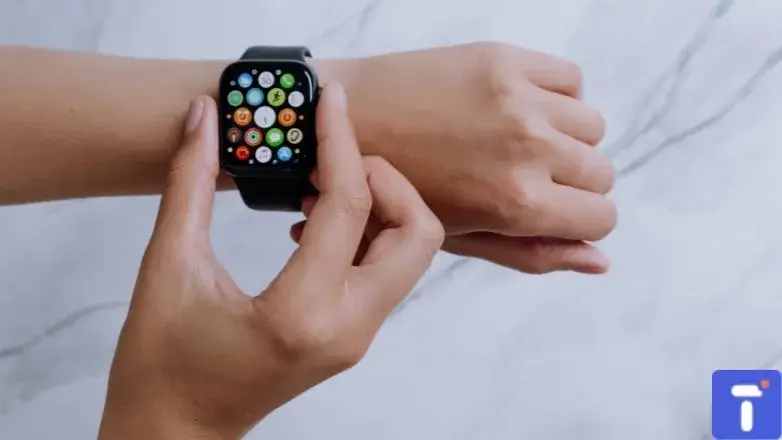
For those who prefer the traditional Apple Watch look, synthetic bands come in many designs. Compare the exact material, coating, edges, and hardware rather than assuming a synthetic or hypoallergenic label guarantees that the band will not cause a reaction.
Synthetic bands vary widely in polymer, dyes, coatings, adhesives, and metal hardware. A band marketed as skin-friendly may still irritate an individual, so review the material disclosures and buy from a seller with a clear return policy when possible.
For multi-pack synthetic bands, compare material disclosures, edge finish, buckle or connector composition, seller return policy, and verified compatibility. A low price or a multi-pack does not establish that the material will suit sensitive skin.
Metal Apple Watch Bands: Titanium and Stainless Steel

Titanium and stainless-steel bands offer a metal look, but they should not be treated as interchangeable for allergy concerns. If you suspect nickel sensitivity, look for clearly documented titanium in the parts that touch your skin. Some stainless-steel components contain nickel, and coatings can wear with use.
Neither titanium nor stainless steel is automatically safe for every person. Check the alloy and all skin-contacting parts, including pins, clasps, and connectors. Apple notes that some Apple Watch models and bands contain nickel, so review its official material and sensitivity information before deciding.
A metal replacement may help if it avoids the material that triggers your symptoms, but it cannot eliminate every possible cause of irritation. The watch case, sensor back, sweat, friction, and cleaning-product residue can also matter.
If considering a third-party stainless-steel band such as iiteeology, check the stated alloy and all skin-contacting parts. We have not independently tested this band for allergy safety, and stainless steel can contain nickel.
How to Prevent Apple Watch Band Irritation
If your Apple Watch band is causing irritation, start with these practical steps:
- Remove the watch after sweating or getting wet, then gently clean and dry the watch and band according to the manufacturer’s care instructions. Let your skin dry fully before putting it back on.
- Wear the band snugly but comfortably. Avoid excessive tightness and rubbing, and allow the skin a break from prolonged wear when needed.
- Check whether the clasp, connector, case, or band material lines up with the area of irritation. Change one factor at a time where practical, but do not keep testing a material that causes a clear reaction.
- Follow Apple’s cleaning, fit, and skin-sensitivity guidance. Avoid household coatings or barriers on the watch and do not put anything between the sensor back and your skin.
The right band can improve comfort, but it cannot guarantee that irritation will never return. If symptoms persist, recur, spread, or become painful, stop wearing the watch and get medical advice rather than continuing to experiment with straps.
How to Choose an Apple Watch Band for Sensitive Skin
Before buying, work out whether the problem appears to be moisture and friction, a specific material, or a metal component. A rash alone cannot confirm an allergy, so avoid assuming the band is the only possible cause.
1. Identify the Likely Irritant
Notice where the irritation appears and when it starts. Redness beneath the full band may relate to moisture, pressure, or friction. A reaction limited to a clasp or connector may make the hardware worth checking. These patterns are clues, not a diagnosis. A dermatologist can assess recurring symptoms and may recommend patch testing if allergic contact dermatitis is suspected.
2. Read the Full Material List
Do not check only the main strap. Review the buckle, pins, connectors, coatings, adhesives, and the Apple Watch case. Apple explains that some watch and band components contain nickel and that trace acrylates or methacrylates may be present in materials or adhesives. See the Apple Watch Material Guide and the American Academy of Dermatology’s advice on Nickel Allergy.
3. Match the Band to Your Routine
For workouts and hot weather
Choose a band that is easy to clean and quick to dry. Smooth sport bands are convenient, but can hold sweat against the wrist. Woven bands may feel more breathable, but some fabrics can retain moisture or rub against the skin. Remove the watch after exercise, clean it according to the manufacturer’s instructions, and dry both the band and wrist fully.
For metal sensitivity
Look for documented material composition rather than relying on words such as premium, surgical, or hypoallergenic. If considering titanium, confirm which parts are actually titanium and whether the clasp and connectors use other metals. Changing the band may not help if the suspected trigger is part of the watch case or sensor assembly.
For everyday or formal wear
Leather and metal bands can look formal, but leather may be affected by sweat and water, while metal bands may contain nickel. Choose the option whose material details fit your known sensitivities and care needs. Check Apple’s Current Apple Watch Band Options for model compatibility and current specifications.
How to Clean an Apple Watch Band and Get the Fit Right
- Follow the cleaning instructions for your exact watch and band. Do not assume that every band can be cleaned with the same product.
- Remove sweat, soap, sunscreen, and lotion residue, then dry the band and skin completely before wearing the watch again.
- Keep the band snug enough for reliable sensor contact but not so tight that it leaves pressure marks or rubs.
- Take breaks from prolonged wear, especially after exercise or when your wrist is damp.
- Do not apply nail polish, household coatings, or plastic wrap to the watch or sensor area.
When Should You Stop Wearing an Apple Watch Because of a Rash?
Remove the watch if you develop itching, redness, swelling, soreness, or another skin change beneath the band or watch body. Do not put it back on until the irritation has settled and you have considered the likely cause. Apple recommends consulting a doctor before wearing the watch again if irritation occurs. Seek prompt medical care for severe pain, blistering, spreading redness, signs of infection, or symptoms that persist or repeatedly return. This article cannot diagnose a skin condition.
Frequently Asked Questions
What is the best Apple Watch band for sensitive skin?
There is no single best band for everyone. The best choice depends on whether your trigger is a metal component, a band material, sweat, friction, or residue. Compare the complete material list and choose a band that is easy to clean and comfortable for your wrist.
Are silicone Apple Watch bands good for sensitive skin?
They can be convenient because they are easy to wipe clean, but silicone or other sport elastomer bands can trap moisture and may not suit every wearer. If a particular band causes symptoms, stop using it and consider a different material rather than assuming all silicone bands will work the same way.
Can an Apple Watch cause a nickel allergy rash?
Some Apple Watch models and bands contain nickel in certain components. Apple says the amounts meet applicable restrictions, but people who are particularly sensitive may still want to review the materials. A clinician can help determine whether nickel allergy is responsible for a rash.
Is a nylon Apple Watch band better than a sport band for sensitive skin?
Not for everyone. Woven nylon may feel lighter or allow more airflow, but fabric texture, dyes, moisture retention, and the edges of a band can irritate some users. Sport bands are often easier to wipe clean, but may hold sweat against the skin. Pick based on your own trigger and routine.
Are titanium Apple Watch bands hypoallergenic?
Titanium may be a useful option for some people who need to avoid certain metals, but the label alone is not enough. Check whether all skin-contacting components are titanium, including the clasp, pins, and connectors. Other parts of the watch can also matter.
How do I stop my Apple Watch band from making my wrist itch?
Take the watch off, gently clean it according to Apple’s instructions, and let your skin and the band dry completely. Check the fit and consider which materials touch the affected area. Do not keep wearing the watch through a rash. Get medical advice if symptoms are severe, persistent, or recurring.
Related Reading
If your band problem is related to trapped sweat or odor, read Why Does My Apple Watch Band Smell?. To compare pricing and materials, see Why Are Apple Watch Bands Expensive?. For broader smartwatch use, visit How Useful Is a Smartwatch? and Best Smartwatch for an Active Lifestyle.
How This Guide Is Researched and Kept Current
This guide is based on published Apple band material and care information, product specifications, and established dermatology guidance about nickel allergy and skin irritation. It explains general material trade-offs and does not claim that any band has been clinically tested or is guaranteed to be hypoallergenic. Materials, finishes and availability can change, so confirm the current details with the manufacturer. This is general educational information, not a diagnosis or substitute for medical advice. If you spot an error or an important update, please use the Contact Us page.
About the Author
Abdul Khader is a watch enthusiast, researcher and writer at Topreviewd. He writes practical guides that help readers compare watch features, understand limitations and make informed decisions across different budgets. His approach is to check manufacturer specifications, consult official support documentation, compare relevant independent sources and distinguish published facts from estimates or opinion.
For Apple Watch band topics, Abdul focuses on material composition, comfort, care instructions and practical trade-offs while avoiding unsupported claims about allergy safety. This health-adjacent guide is informational and is not a medical diagnosis. Learn more on the About Topreviewd page, or get in touch through the Contact Us page.