Smartphones can tell time, manage schedules, and handle countless other tasks, so it is fair to ask whether wearing a wristwatch is still useful. A watch offers a different experience: the time is available with a quick glance, without unlocking a phone or opening an app. It can also be a practical tool, a personal style choice, or a keepsake with meaning.
This guide explains the practical benefits of wearing a wristwatch, what research does and does not show about watch use, how traditional watches compare with smartwatches, and what to consider before choosing one for everyday wear in the United States.
Written by Abdul Khader, researcher and writer at Top Reviewd. Last updated: November 5, 2026
Quick Answer: What Are the Benefits of Wearing a Wristwatch?
The main benefits of wearing a wristwatch are convenient time checks, fewer reasons to open your phone, a visible reminder of appointments, discreet timekeeping, personal style, and access to useful features such as a date display, timer, or chronograph. Depending on the model, a watch may also offer long battery life, fitness tools, or sentimental value. You do not need a watch to manage time well, but the right one can make certain daily tasks simpler.
- Check the time with a quick glance.
- Avoid opening a notification-filled phone just to see the time.
- Keep appointments and time limits in view.
- Check the time discreetly during meetings or conversations.
- Add a useful accessory that reflects your taste.
- Use model-specific tools such as alarms, timers, date displays, and chronographs.
- Choose a conventional watch that does not need a smartphone connection.
- Use a sports watch or smartwatch for activity tracking when those features are appropriate.
- Keep a watch as a personal gift or family keepsake.
- Enjoy a dedicated timekeeper that suits your routine and preferences.
10 Practical Benefits of Wearing a Wristwatch
1. Quick Access to the Time
A wristwatch keeps the time visible on your wrist. In many everyday situations, checking it is quicker than taking a phone out of a pocket or bag, unlocking it, and looking past notifications. This can be convenient when your hands are occupied or when using a phone would interrupt what you are doing.
2. A Watch Can Complement Your Personal Style

A watch can add color, texture, or a point of visual interest to an outfit, much like a belt, bracelet, or pair of shoes. Dress watches, field watches, divers, digital models, and minimalist designs create different looks. There is no single style everyone should wear. Choose a case, dial, and strap that fit your wardrobe, comfort, and budget.
3. A Traditional Watch Can Reduce Phone Checks
When you only need the time, a traditional watch lets you check it without opening a device that also contains email, social media, news, and messages. This does not automatically improve concentration, but it removes one common reason to unlock your phone. The benefit is most noticeable for people who often get sidetracked after checking the time on a smartphone.
4. A Visible Dial Can Support Time Awareness
A watch makes the passage of time easier to check throughout the day. A quick glance can help you see how much time remains before an appointment, a commute, a class, or the end of a break. The watch is a reminder, not a time-management system by itself. Pair it with a calendar, realistic schedule, and alarms when a task needs a stronger prompt.
5. Many Watches Include Useful Timing Functions
Depending on the model, a watch may include a date display, alarm, stopwatch, countdown timer, rotating elapsed-time bezel, or a second time zone. A chronograph, for example, can measure elapsed time, while a GMT watch can make a second time zone easier to follow. These functions are not present on every watch, so check the specifications before buying. Our guide to Chronograph Watches explains how stopwatch functions work.
Some tool watches also offer features such as a compass or depth rating, but these are model-specific and should not be assumed from appearance alone. A watch is most useful when its functions match the activity you actually do.
6. A Watch Allows Discreet Time Checks
In a meeting, interview, classroom, or conversation, glancing at your wrist can be less disruptive than taking out a phone and lighting up its screen. It is still important to be considerate: repeatedly checking any timepiece can signal that you are distracted or need to leave. Follow workplace, school, and event rules about device use.
7. A Dedicated Timekeeper Can Help You Stay on Task
A watch can make it easier to check the time and return to the task at hand without opening several apps. You can also use a watch with a timer to set a defined work period, cooking interval, or exercise session. The watch does not create productivity on its own. Its value is that it gives you a simple way to check or measure time.
For connected features such as reminders, activity tracking, and notifications, see our guide to Smartwatch Features and Benefits.
8. A Watch Can Become a Personal or Family Keepsake

A watch received for a graduation, wedding, anniversary, or other milestone can hold memories long after the occasion has passed. Some families pass watches between generations because of the person who owned them, not because the watch is rare or valuable. Sentimental value is personal, and an ordinary affordable watch can be just as meaningful as an expensive one.
9. Basic Timekeeping Does Not Require a Phone Connection
A conventional quartz, mechanical, or solar watch can show the time without being paired to a smartphone, connected to Wi-Fi, or signed in to an app. That independence can be useful when traveling, conserving phone battery, or taking a break from connected devices. A quartz watch still needs a working battery, a mechanical watch needs winding or wrist movement depending on its design, and a solar watch needs adequate light and eventual maintenance.
10. Some Watches Support Sports and Fitness Activities
Sports watches and smartwatches can add tools such as lap timing, GPS route recording, step counts, heart-rate estimates, and workout summaries. These features depend on the specific device and should not be assumed in a standard analog watch. Wrist-based readings are estimates and are not a substitute for medical assessment. For activity-focused options, see our guide to the Best Smartwatches for Activity Tracking.
In short, a wristwatch is worth wearing when it makes time easier to check, helps you avoid unnecessary phone use, adds a style you enjoy, or provides features that fit your daily routine. It is not essential for everyone, and a watch will not automatically make someone punctual or productive. The best choice is a comfortable, readable timepiece that you will actually use. Explore more practical watch advice on Top Reviewd.
What Research Says About Wearing a Wristwatch
Research offers some useful clues about why people wear watches, but it does not show that wearing one automatically makes a person more disciplined, punctual, or productive. The distinction between association and cause matters when interpreting these findings.
Watch-Wearing and Conscientiousness
A 2015 study published in PeerJ compared regular watch wearers with people who did not regularly wear a watch. It included an exploratory sample of 112 participants, a larger confirmatory sample of 638, and a separate punctuality study with 85 participants. The researchers found higher conscientiousness scores among watch wearers in the first two samples and earlier arrival times among watch wearers in the punctuality study. The findings suggest a relationship, not proof that putting on a watch causes better organization or punctuality. Read the original PeerJ Study on Watch-Wearing and Conscientiousness.
Traditional Timekeepers and Smartphone Use
A 2026 cross-sectional online survey of 6,615 participants examined traditional watches, alarm clocks, smartphones, and patterns associated with problematic internet use. Participants who wore a wristwatch were less likely to report some dysfunctional internet-use patterns, while people who stayed online longer than intended after checking the time on a phone tended to have higher problematic-use scores. Because the study was observational, it cannot establish that wearing a watch prevents excessive internet use. The authors say that this possibility needs to be tested in future research. See the 2026 paper, Association of Internet Use Disorder and the Use of Traditional Watches.
What These Findings Mean in Everyday Life
If checking your phone often leads to unrelated browsing, using a conventional watch for time checks may remove one trigger. You can combine it with app limits, notification settings, or scheduled phone breaks. If you already check the time without getting distracted, you may notice little difference. A watch is a tool, not a treatment for internet overuse or a shortcut to better habits.
Traditional Watch vs Smartwatch: Which Benefits Matter Most?
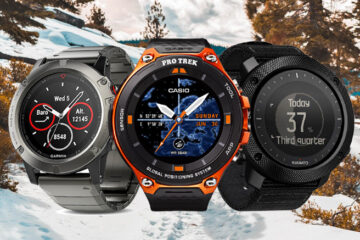
Both types can be useful, but they solve different problems. A conventional watch is usually a dedicated timekeeper. A smartwatch adds connected functions and sensors, which can be helpful but may also bring more notifications and charging requirements. Compare the features you will actually use rather than assuming one type is best for everyone.
| Watch Type | Main Advantages | Trade-Offs | Best Fit |
|---|---|---|---|
| Quartz Watch | Simple timekeeping, generally low day-to-day attention, and no phone pairing for basic use | Needs a battery change and periodic checks or maintenance | People who want a straightforward everyday watch |
| Mechanical or Automatic Watch | Traditional movement, craftsmanship, and no electronic battery in many designs | Needs winding or regular wear, and periodic servicing; accuracy varies by movement | People who enjoy mechanical watches and their ownership routine |
| Solar Watch | Uses light to recharge its power cell and can reduce routine battery changes | Needs sufficient light exposure and eventual power-cell or component service | People who want conventional timekeeping with less frequent battery attention |
| Smartwatch | Notifications, apps, activity features, GPS, timers, and other connected tools depending on model | Requires charging, setup, software support, and sensible notification settings | People who want phone-connected features on the wrist |
For a closer comparison, read Wristwatch vs Smartwatch. If you are choosing a conventional movement, our explanations of Mechanical vs Quartz Watches and Solar vs Automatic Watches cover the differences in more detail.
When Wearing a Wristwatch May Not Be the Best Choice
A watch is optional. There are situations where another timekeeping method may be more comfortable, safer, or more practical. Consider these points before wearing one every day:
- Skin comfort: A tight, dirty, or unsuitable strap can irritate skin. Adjust the fit, clean the strap according to its material, and stop wearing it if it causes persistent irritation.
- Physical work and sports: A protruding case or metal bracelet may snag, get scratched, or become uncomfortable. Follow workplace safety rules and remove jewelry or watches where required.
- Care and ownership costs: Watches can need battery replacement, strap changes, water-resistance checks, or mechanical servicing. Include these costs when comparing models.
- Personal preference: If you find a watch distracting, uncomfortable, or unnecessary, there is no practical need to wear one.
How to Choose a Watch for Everyday Wear
The best daily watch is not necessarily the most expensive or feature-packed model. It is the one that fits your wrist, is easy to read, works with your routine, and is comfortable enough to wear regularly. These checks can help narrow the options.
1. Check the Case Size and Fit
Case diameter is only one part of fit. Also consider lug-to-lug length, case thickness, strap width, and how far the lugs extend across your wrist. The watch should feel secure without pinching or sliding excessively. Try it on when possible, especially if you are unsure about sizing.
2. Prioritize Readability and Comfort
Choose a dial with hands or digits that are easy for you to read in the lighting where you will use it. Check the weight, clasp, strap material, and crown position. A comfortable strap and clear display are usually more important for daily wear than decorative complications you rarely use.
3. Match the Movement to Your Maintenance Preferences
Different movements come with different ownership routines. Think about whether you prefer simple battery-powered timekeeping, a mechanical movement, or a solar-powered model.
Quartz Watches
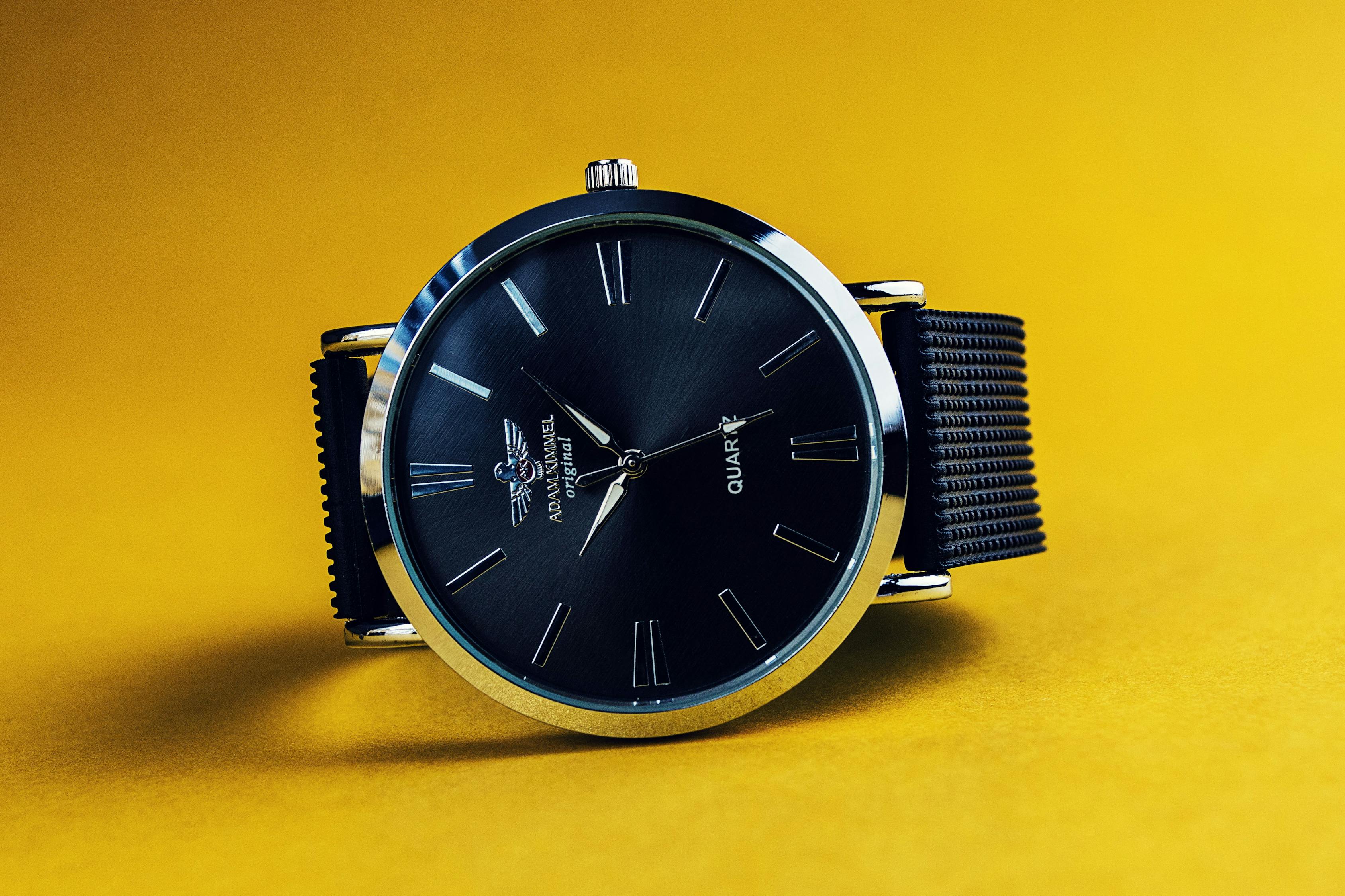
Quartz watches are battery-powered and generally offer convenient, low-maintenance timekeeping. The battery and seals may need replacement or inspection over time. Learn more in our Mechanical vs Quartz Watch Guide.
Mechanical and Automatic Watches
Mechanical watches use a mainspring and a mechanical movement. Hand-wound models need regular winding, while automatic models wind through wrist movement and may also be wound by hand. They appeal to people who enjoy traditional watchmaking, but they need appropriate care and periodic service.
Solar Watches
Solar watches convert light into stored electrical energy. They can reduce routine battery changes, but they still need adequate light exposure and eventual maintenance. Check the manufacturer’s instructions for charging and storage.
4. Check Water Resistance and Intended Use
Water-resistance ratings are not a guarantee that every watch is suitable for swimming or diving. Follow the manufacturer’s instructions, and do not operate crowns or pushers underwater unless the manual specifically allows it. If you plan to swim, work outdoors, or use the watch around water, choose a model rated for that activity and keep its seals maintained.
5. Consider the Total Cost of Ownership
Compare the purchase price with likely battery, strap, repair, and service costs. A low-priced watch that fits your needs may be better value than a costly model with functions you will not use. For an overview of the main categories, see Different Types of Watches.
A Simple Checklist Before Wearing a Watch Every Day
- Can you read the dial quickly in normal indoor and outdoor light?
- Does the case sit comfortably without digging into your wrist?
- Is the strap suitable for your work, climate, and activity?
- Does the watch have only the features you expect to use?
- Do you understand its water-resistance limits and maintenance needs?
- Can you wear it safely in the places and activities that make up your routine?
Frequently Asked Questions About Wearing a Wristwatch
Is Wearing a Wristwatch Still Worth It?
It can be worth it if you value quick time checks, fewer phone interactions, a personal accessory, or watch-specific features. A smartphone can tell time too, so the decision comes down to convenience, preference, and how you use your devices.
Does Wearing a Watch Improve Time Management?
A watch can make time more visible and remind you to check a schedule, but it does not automatically improve planning or punctuality. Good time management also depends on realistic scheduling, prioritizing tasks, and following through.
Can Wearing a Traditional Watch Reduce Phone Screen Time?
It may reduce one reason to pick up your phone because you can check the time on your wrist. Research has found associations between traditional timekeepers and lower levels of some problematic phone-use patterns, but it has not proven that wearing a watch by itself reduces screen time for every person.
Is a Wristwatch Better Than a Phone for Checking the Time?
A wristwatch is often more convenient for a quick glance, while a phone provides calendars, alarms, and other functions in one device. A watch is not universally better. It is useful when you want time visible without unlocking your phone.
Which Wrist Should You Wear a Watch On?
Wear it on whichever wrist feels comfortable and keeps it out of the way. Many people choose their non-dominant wrist because it can reduce interference with writing and other tasks, but there is no rule that everyone must follow.
Is It OK to Wear a Watch Every Day?
Most people can wear a comfortable watch daily, provided it does not interfere with work or activity and the strap is kept clean. Avoid wearing it too tightly, allow the skin to dry, and follow relevant safety rules. Stop wearing it if it causes persistent discomfort or irritation.
Should I Buy a Traditional Watch or a Smartwatch?
Choose a traditional watch if you mainly want timekeeping, a design you enjoy, and independence from phone apps. Choose a smartwatch if you want connected notifications, GPS, fitness tracking, or other digital tools. Compare battery or charging needs, privacy settings, compatibility, and long-term software support before buying.
What Type of Watch Is Best for Everyday Use?
There is no single best type for everyone. A quartz or solar watch suits someone who wants straightforward timekeeping, an automatic watch may appeal to someone who enjoys mechanical movements, and a smartwatch may suit someone who wants connected features. Comfort, legibility, durability, and maintenance should guide the decision.
Editorial Note
This article is a general guide to the practical and personal reasons people choose to wear watches. It is not a product laboratory test, medical recommendation, or claim that a watch improves personality or productivity. Features, accuracy, water resistance, battery life, and care requirements vary by model. Check the manufacturer’s documentation before relying on a watch for a specific activity.
Trusted Sources
- Ellis and Jenkins, Watch-Wearing as a Marker of Conscientiousness, published in PeerJ in 2015.
- Wickord and colleagues, Association of Internet Use Disorder and the Use of Traditional Watches, published in Addictive Behaviors Reports in 2026.
How This Guide Is Researched and Kept Current
This guide was reviewed against current search-result coverage of why people wear watches, including convenience, reduced phone interaction, personal style, time awareness, watch functions, and traditional-watch versus smartwatch trade-offs. The research section links to the original peer-reviewed studies and distinguishes correlation from causation. The article does not claim hands-on testing of every watch type or model. Product capabilities and maintenance requirements should be confirmed against the manufacturer’s current specifications and owner’s manual. We review this guide when relevant research or watch technology changes, and readers can report a correction through the Contact Us page.
About the Author
Abdul Khader is a watch enthusiast, researcher and writer, and the person behind Topreviewd. He writes about luxury and designer watches, automatic and quartz movements, materials, sizing, straps, crystals and water resistance, comparing watches across different price points so readers can judge what they get for the money. His approach is practical. He checks specifications, points out when sources disagree, and keeps published details separate from his own opinion. Read more on the About Page, or reach him through the Contact Us page.